
Orderly services stretched across large campuses
Orderlies cover long corridors and busy lifts, and routine meal, linen and supply runs compete with patient transfers for the same people.
Robotx supplies and deploys robots for non-clinical work in New Zealand hospitals, including Health New Zealand | Te Whatu Ora facilities and private hospitals. They move meals, linen and supplies and clean corridors, so clinical staff stay with patients.
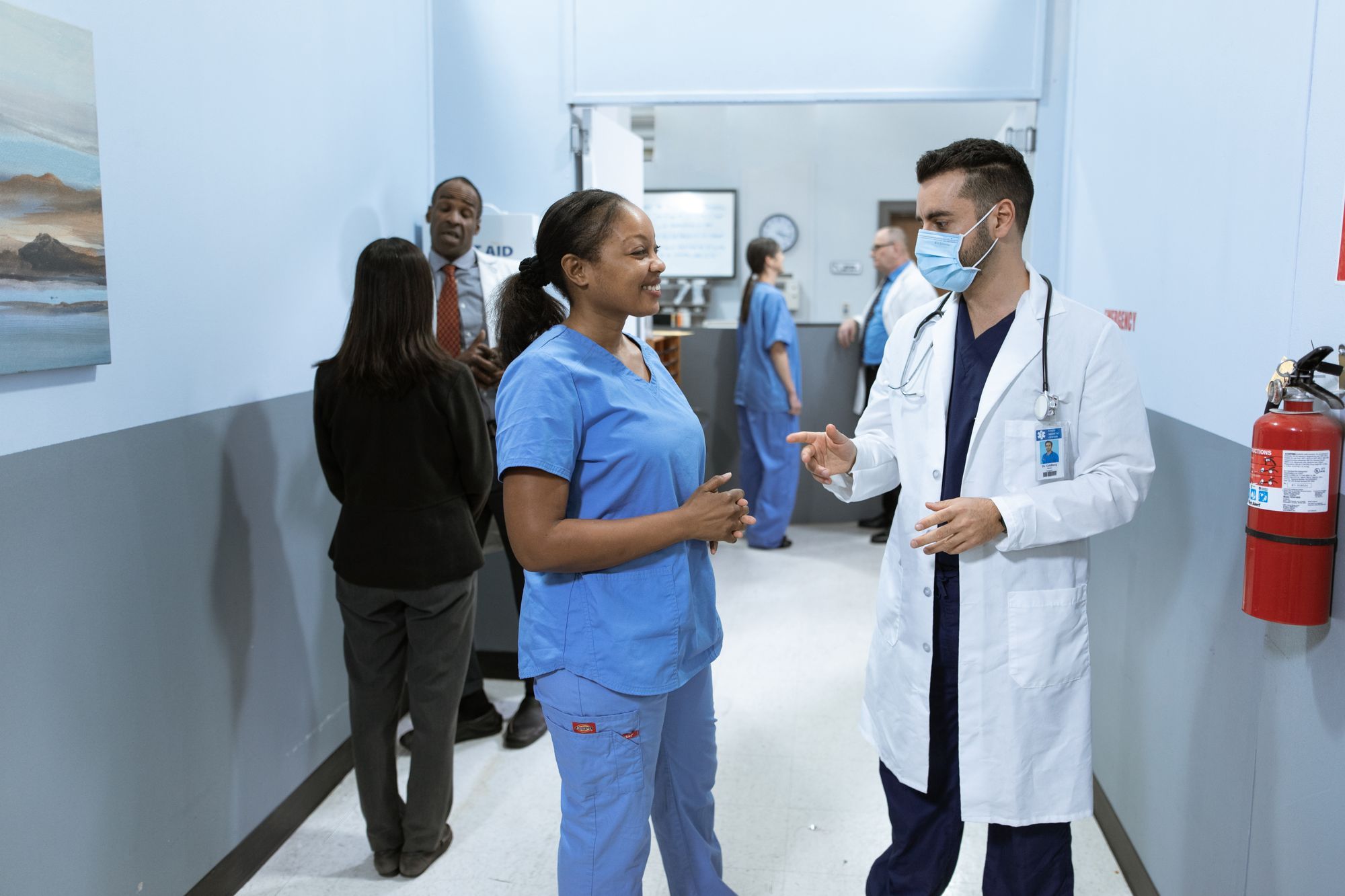
Orderlies cover long corridors and busy lifts, and routine meal, linen and supply runs compete with patient transfers for the same people.
When support services are stretched, nurses and ward clerks end up chasing supplies and pharmacy items away from the bedside.
Corridors, waiting areas and emergency department foyers need frequent, documented cleaning on top of isolation and discharge cleans.
Campuses that have grown one building at a time confuse visitors, so volunteers and reception staff spend much of the day giving directions.
Robots carry meal trays to ward pantries and bring used trays back to the kitchen, riding the lifts where integration is in place.
Service & Delivery RoboticsRobots take clean linen and stores to ward store rooms and bring soiled linen back via service lifts, on a schedule the wards can rely on.
Autonomous Material TransportRobots with lockable compartments carry pharmacy orders between departments, with scope set by your pharmacy and clinical governance teams.
Service & Delivery RoboticsAutonomous scrubbers clean corridors and lobbies, so cleaning staff can focus on patient rooms, isolation rooms and discharge cleans.
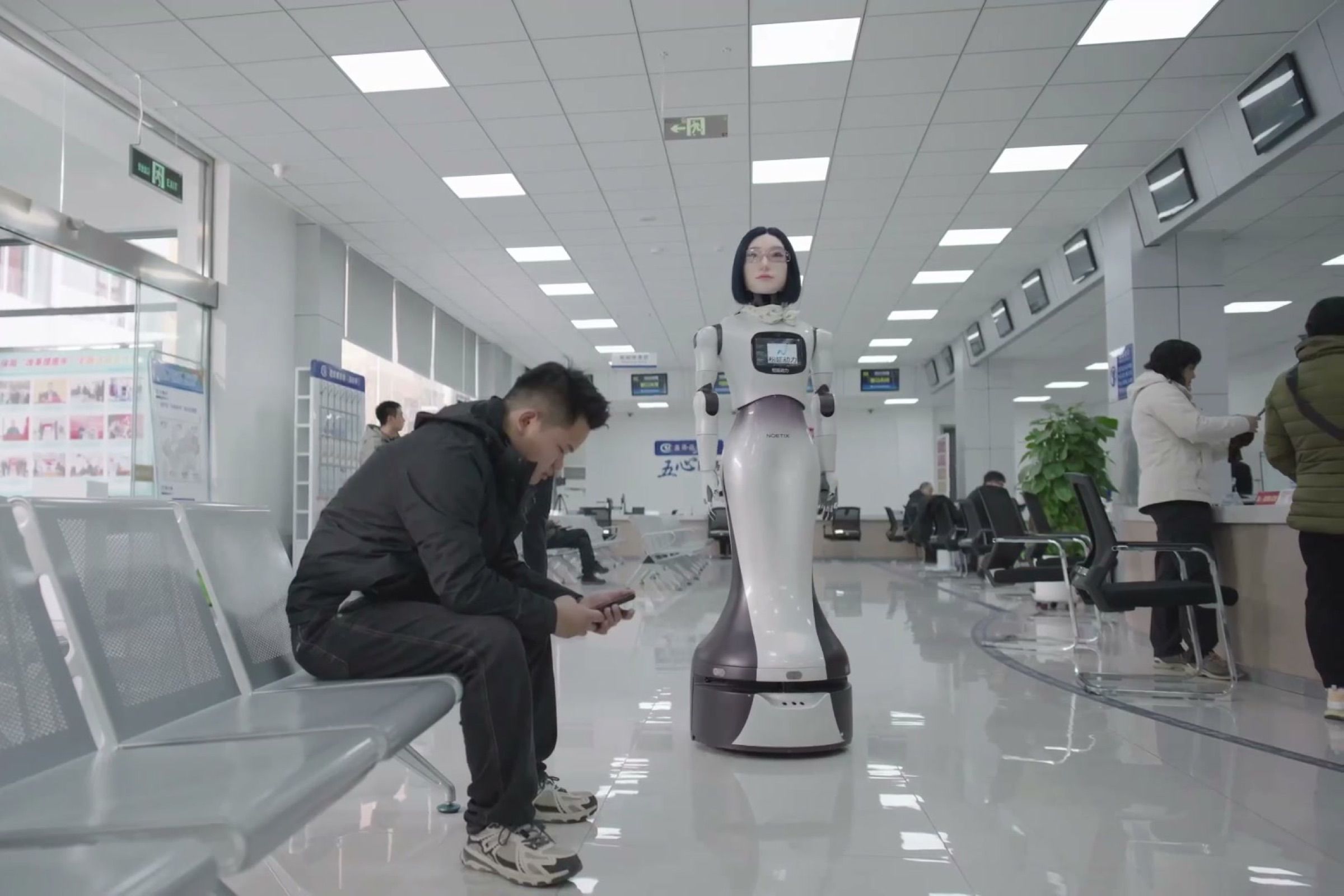
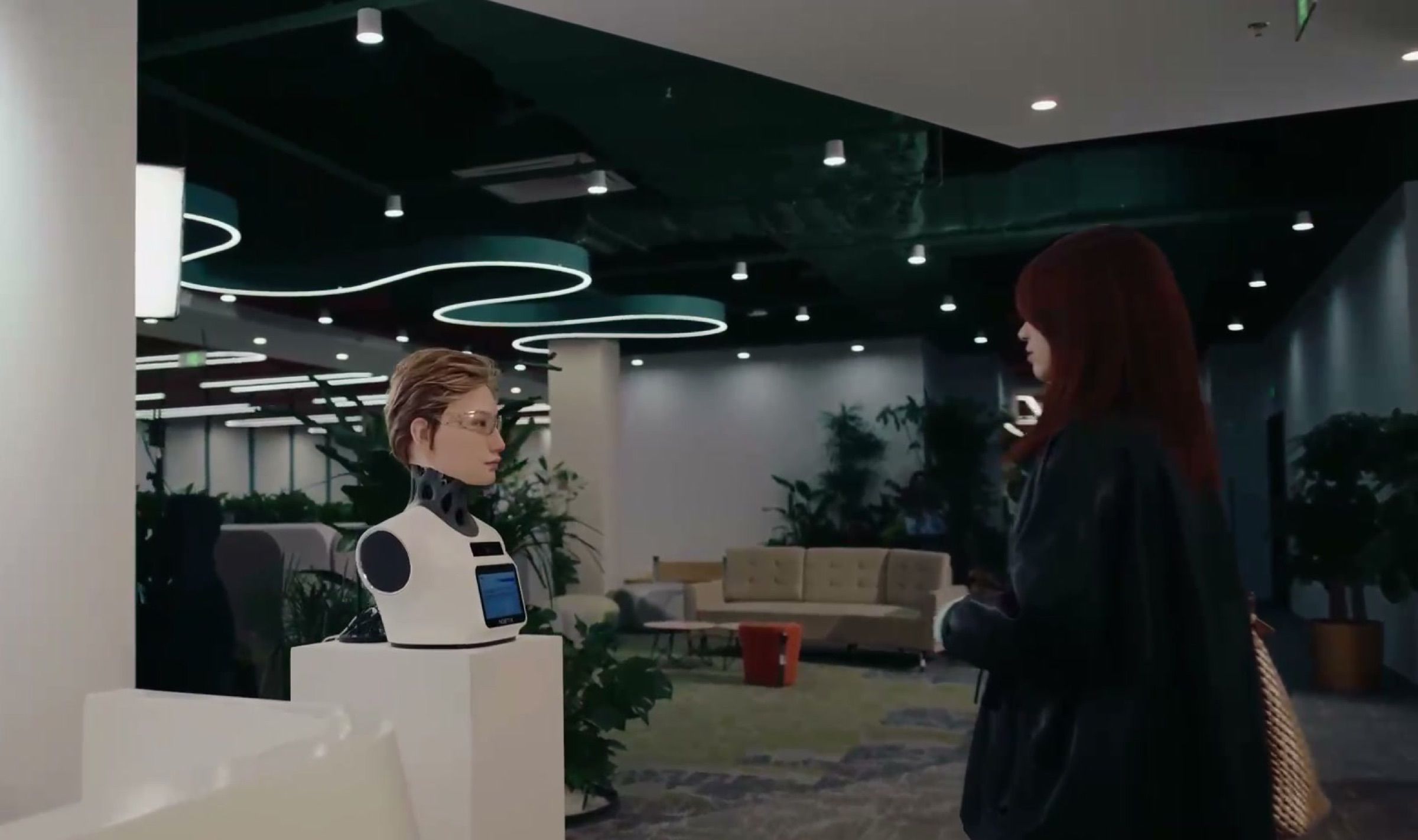
Autonomous CleaningReception robots answer common questions and guide visitors toward clinics, wards or lifts, easing the load on volunteers and front desk staff.
Reception & Wayfinding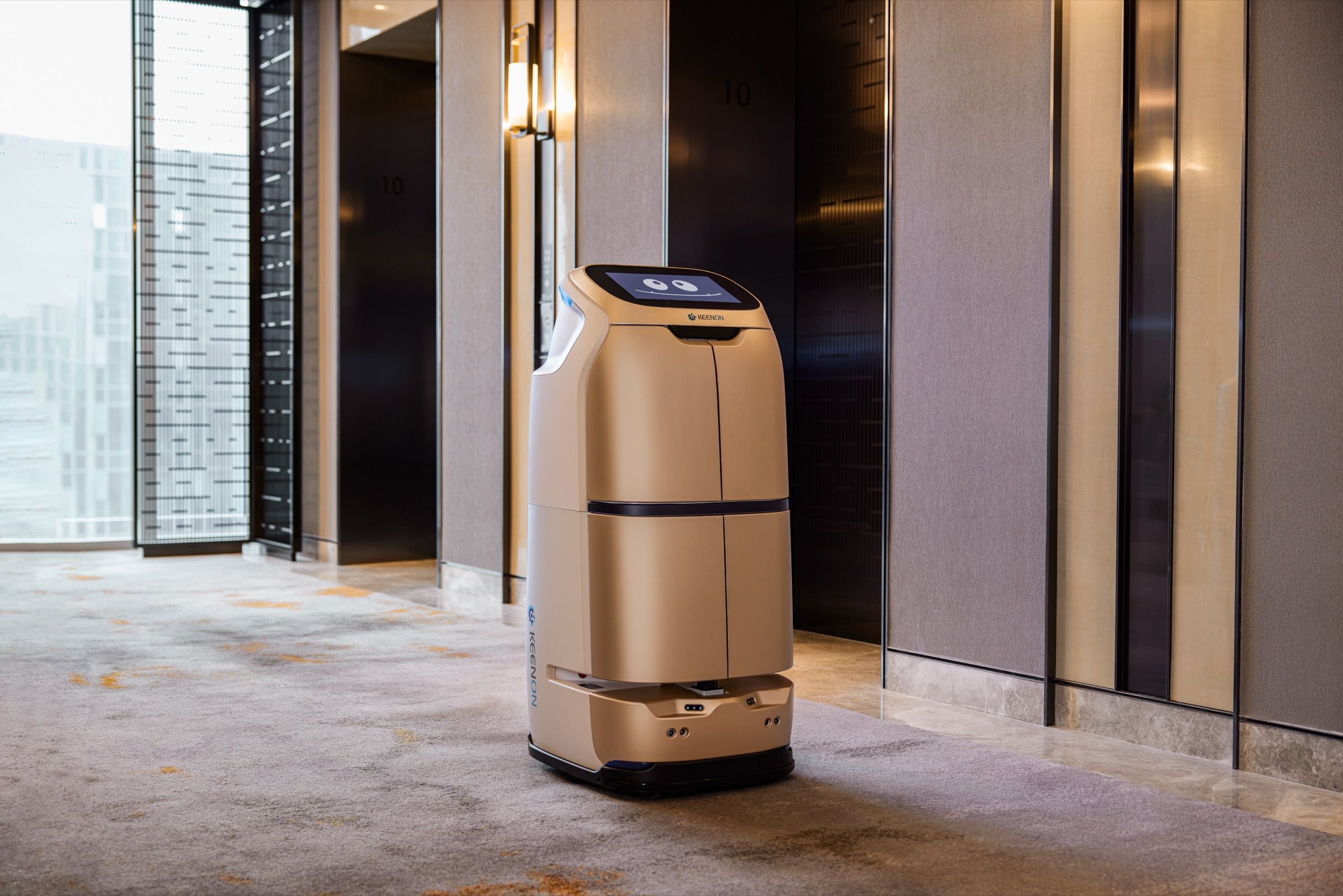
Hospitals run a constant logistics operation behind the wards. Meals leave the kitchen several times a day, linen moves from the dock to every ward and back, stores are topped up, and pharmacy orders cross the campus many times a shift. In New Zealand much of this falls to orderlies, who also move patients, so routine trolley runs compete with transfers for the same people and the same lifts. When orderlies and support services are stretched, nurses and ward clerks fill the gap.
Robots fit the predictable parts of this work, such as scheduled meal and linen runs, stores replenishment, and point-to-point delivery of pharmacy orders and sealed items. Autonomous floor cleaners suit long corridors and public areas, and reception robots can take some of the direction-giving load at busy entrances. None of this touches clinical care, which stays with your staff.
Governance shapes a hospital deployment as much as the floor plan does. Public and private hospitals providing overnight inpatient care must meet the Ngā Paerewa Health and Disability Services Standard NZS 8134:2021, which has applied since 28 February 2022 and includes infection prevention requirements. Your IPC team will want to know how robots are cleaned, which products they tolerate and where they must not go.
Pharmacy and laboratory teams need clear rules about what can travel in a locked compartment and who can open it. Privacy officers will look at any screen, camera or log that could hold health information under the Health Information Privacy Code 2020, while ICT reviews network connections. Facilities will look at how robots interact with lifts, doors and fire systems, all of which sit on the building’s compliance schedule.
We bring these groups in early. It is far easier to agree cleaning procedures and exclusion zones before the robots arrive than to retrofit them after a concern is raised on the ward.
Most hospitals start with one well-defined route, such as linen from the dock to a single block or meals to a group of wards. They extend it once staff are confident and the procedures have worked in their own setting. Robotx supplies, deploys, trains and supports the robots, and works with your facilities team and contractors on lift and door integration. Your staff operate the robots day to day, and the scope grows at a pace your governance processes are comfortable with.
Have a question about your site? Talk to a specialist.
No. The robots Robotx supplies take on non-clinical work: moving meals, linen, supplies and pharmacy orders, cleaning floors and giving directions. Assessment, treatment, medicine administration and personal care stay with clinicians and care staff. The aim is to give clinical and support staff more time for patients by taking routine runs off their list.
Robots with lockable compartments can carry pharmacy orders and sealed items between departments, but what they carry is your hospital's decision. Controlled drugs, urgent specimens and items that need a signed chain of custody often stay with staff or pneumatic tube systems. We help your pharmacy, laboratory and governance teams define which items are suitable.
Through procedures agreed with your infection prevention and control team. Hospitals providing overnight inpatient care, public and private, must meet the Ngā Paerewa Health and Disability Services Standard NZS 8134:2021, which includes infection prevention. We cover which disinfection products suit robot surfaces, how often robots and compartments are cleaned, which areas are excluded, and how robots move between clean and dirty zones.
Where the robot platform and lift system support integration, robots can call and ride lifts on their own. They can be configured to wait or give way when a lift is needed for a bed or an emergency, and some sites route robot traffic through goods or service lifts. We assess this with your facilities team, lift contractor and the IQP who inspects the lifts.
Yes. Private surgical hospitals are often smaller, with shorter routes and fewer lifts, while large public campuses have more buildings, more lifts and more stakeholders to involve. Both are certified against the same services standard, so infection prevention, privacy and lift questions are similar. We scope each site on its own floor plan, workflows and approval process.
It starts with a consultation and site assessment involving facilities, support services, IPC and ICT. We then provide a written proposal covering equipment, integration, deployment steps and pricing. Hospitals usually begin with one department or route and extend from there. Timeframes depend on internal approvals, lift and door work, and your procurement process.
A Robotx consultation starts with your sites, tasks and constraints. We’ll tell you where robotics fits and where it doesn’t, and what a sensible first deployment would look like.