
Skilled people doing walking work
Operators and process workers lose time pushing trolleys of packaging, ingredients and parts instead of running the line.
Robotx supplies and deploys mobile, floor-care and early-stage humanoid robots for manufacturers in New Zealand, from food, beverage and dairy processors to engineering plants. They take repetitive carrying off skilled people, so operators stay on the line.
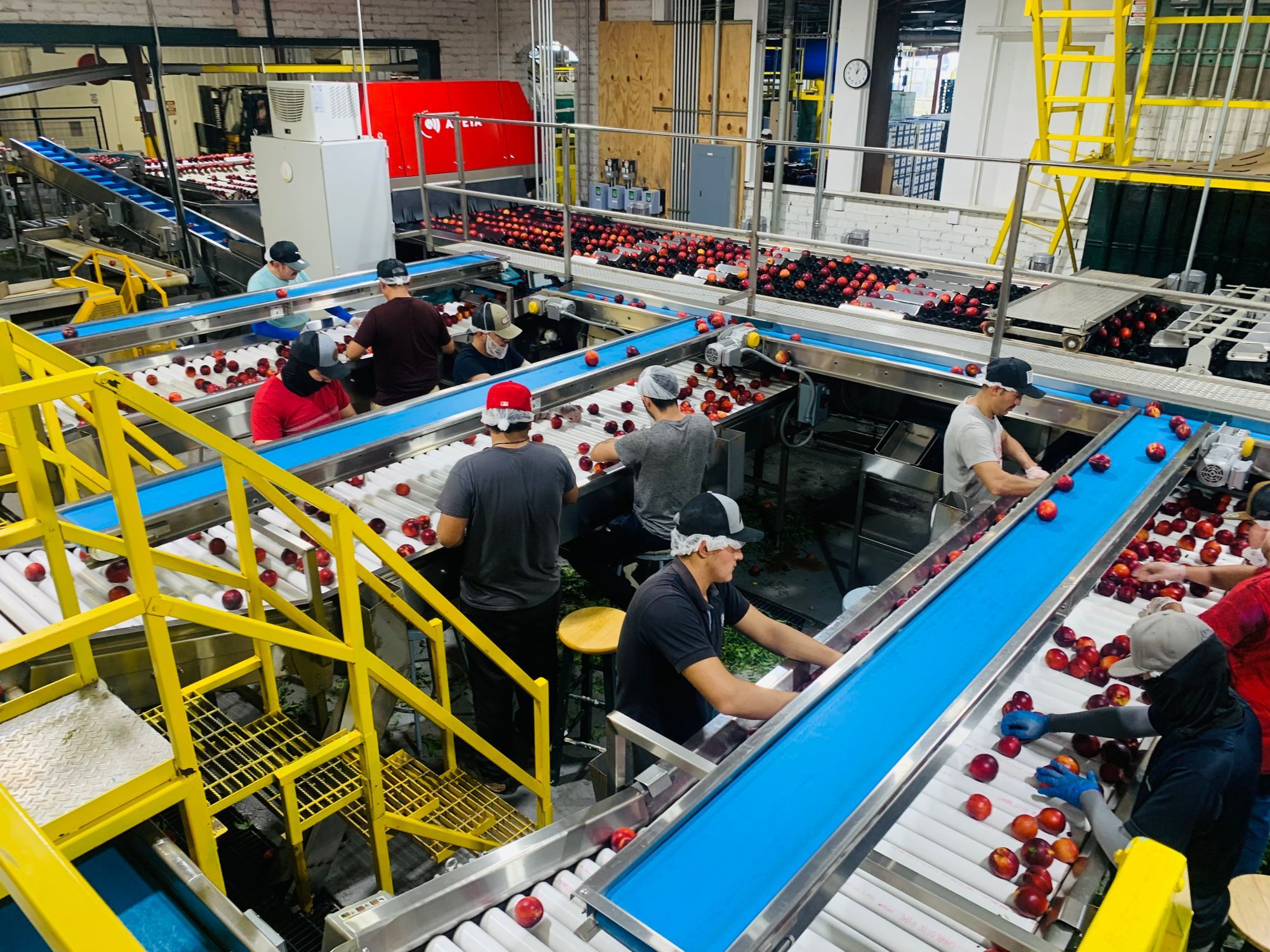
Operators and process workers lose time pushing trolleys of packaging, ingredients and parts instead of running the line.
Moving small loads off forklifts reduces the number of times people and forklifts meet, which supports your traffic management under the Health and Safety at Work Act 2015.
Dairy and horticultural processing follow the season. Many plants run hard through the peak, then stop for maintenance, so material flows have to scale without adding permanent headcount.
Food and dairy processors working under a Food Act 2014 food control plan or an Animal Products Act 1999 risk management programme, plus export customer audits, need cleaning done and recorded consistently.
Robots restock packaging materials, ingredients and components from stores when a line calls for them, so operators stay at their stations.
Autonomous Material TransportRobots move part-finished product between cells, ovens, curing rooms and inspection, logging each move against the job or batch.
Autonomous Material TransportRobots carry cartons and totes from end of line to wrapping, chiller staging or dispatch, cutting forklift trips through production aisles.
Autonomous Material TransportAutonomous scrubbers clean dry production aisles, packing halls and docks between shifts, with cleaning records ready when your verifier or a customer auditor asks.
Autonomous CleaningHumanoid platforms are early-stage and best piloted on one well-defined task, such as tote handling or machine tending, with your engineers involved throughout.
Humanoid Robotics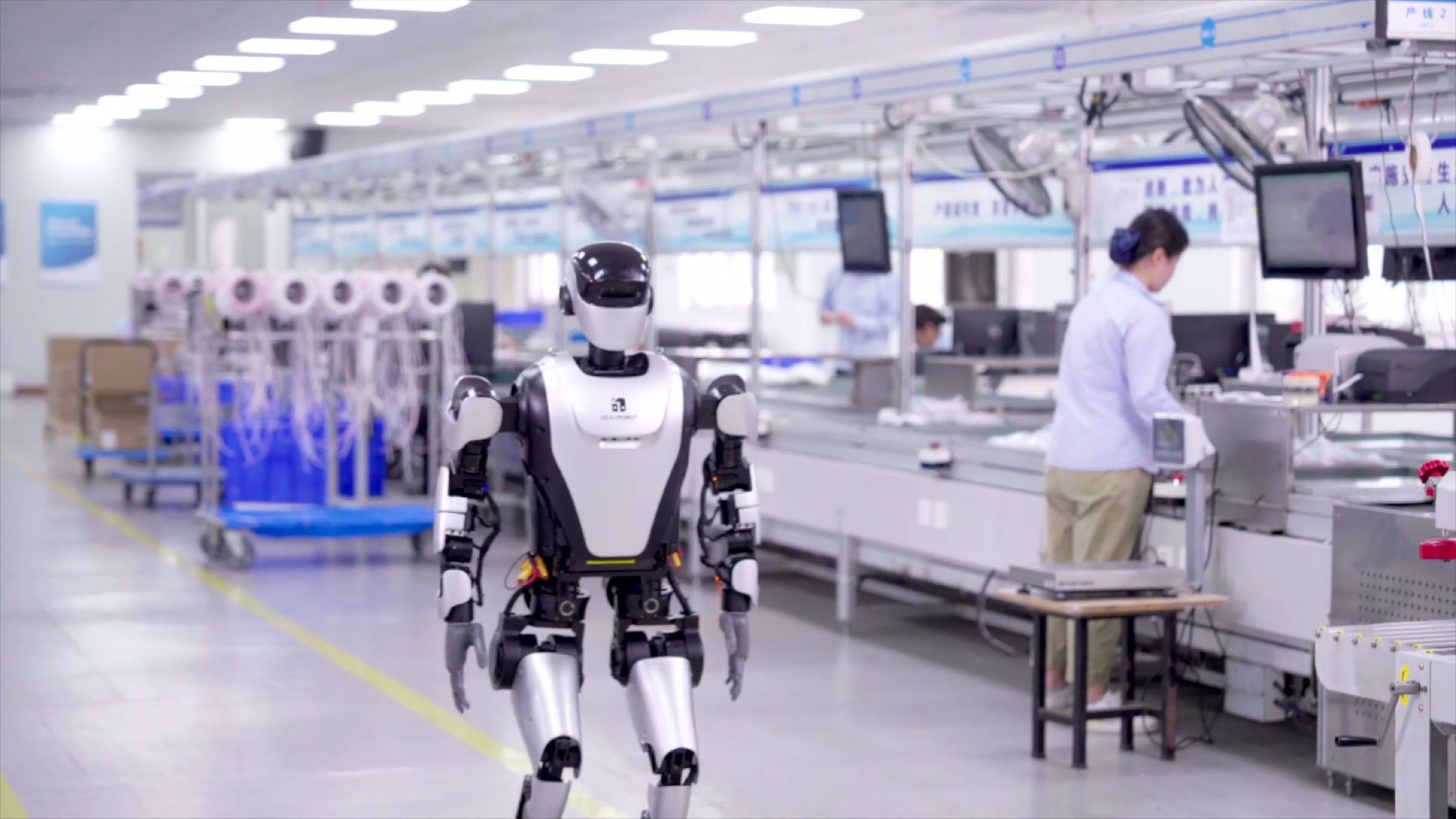
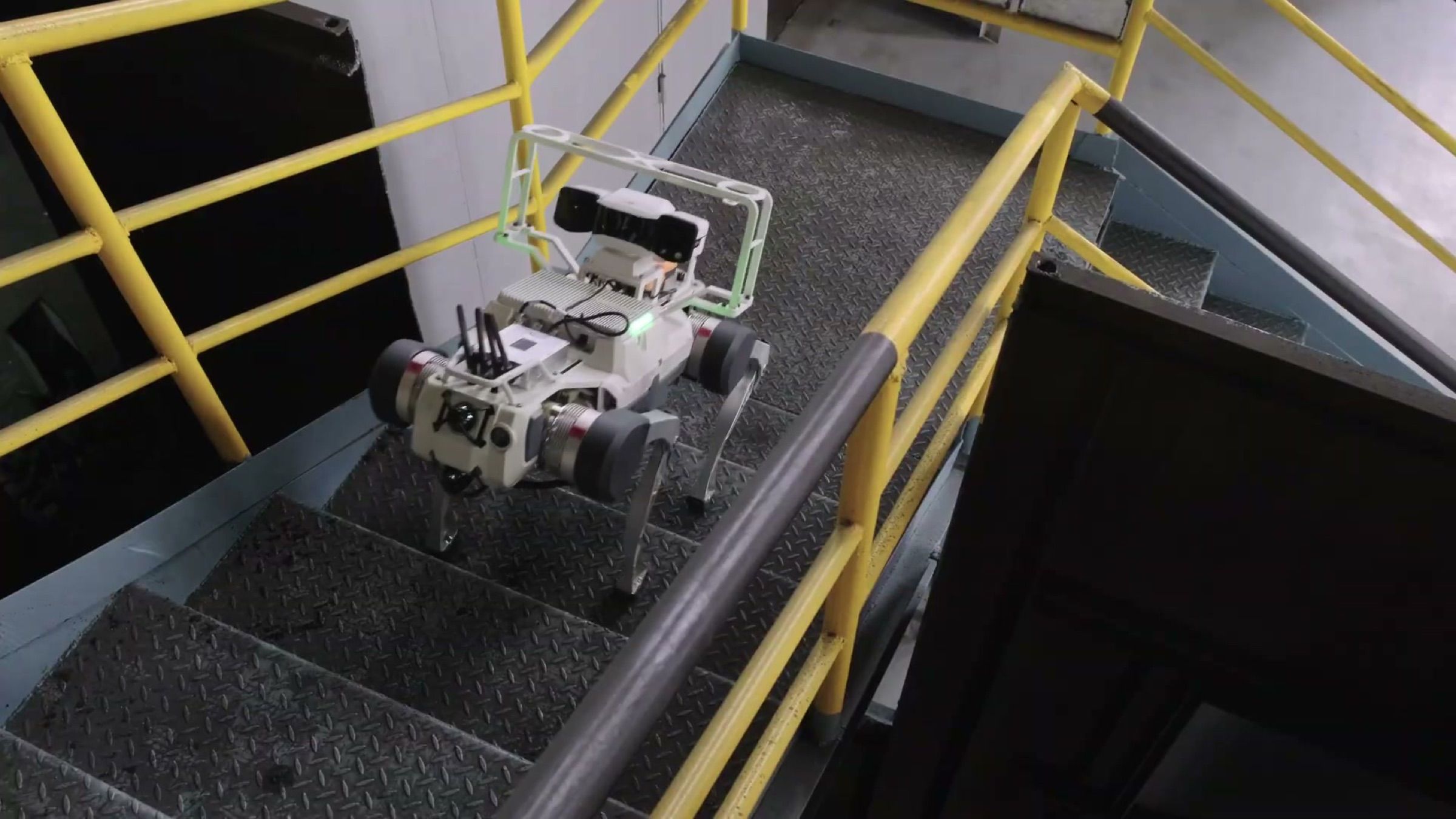
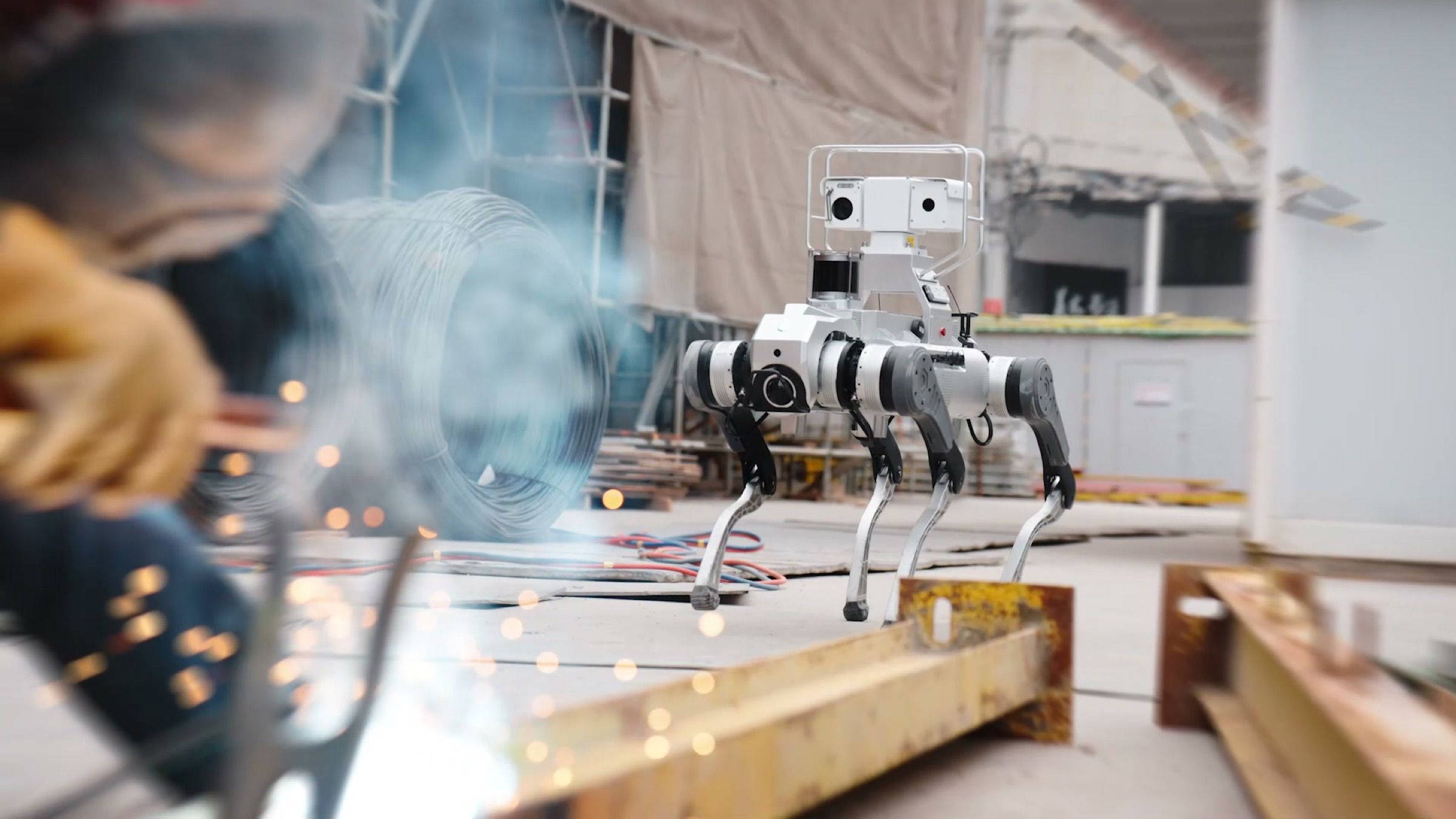
We start with the material flow. Over a normal shift, packaging and ingredients come out of stores, part-finished product moves between process steps, and finished goods travel to wrapping, chillers and dispatch. Much of that movement is done by skilled people pushing trolleys, or by forklifts carrying loads far smaller than they were designed for.
When we assess a site, whether it is a dairy or meat plant, a beverage line, a packhouse or an engineering workshop, we map those movements: what is carried, how often, from where to where, and who does it now. Usually a few repetitive routes stand out, and those are the candidates for autonomous mobile robots. Heavy pallet handling in racking, awkward loads and one-off moves generally stay with forklifts and people.
Floor care follows a similar logic. Autonomous scrubbers suit long, open aisles, packing halls and dock areas that need cleaning every shift. That frees your cleaning crew for drains, machine surrounds and the detail work that verifiers and customer auditors look at closely.
In food processing, the hygiene plan decides where a robot can go. We look at zoning between raw and finished product, washdown routines, temperature and how the robot is cleaned. If your site manages flammable substances, the Health and Safety at Work (Hazardous Substances) Regulations 2017 require you to reduce the likelihood of unintended ignition, so robots not certified for hazardous areas are kept out of them. Many dairy plants stop production in winter when milk flows drop, which can be a practical window for site mapping.
Humanoid robots attract attention, and the technology is moving quickly, but it is still early. Today they suit a narrow set of simple, repetitive handling tasks at a modest pace, in a controlled area, with engineers close by. We recommend a scoped pilot on one task, with measures agreed up front for cycle time, reliability, interventions per shift and safety.
Every engagement starts with a consultation and a site assessment during normal production. A written proposal follows. Deployment covers mapping, route and zone configuration, integration with doors or systems where agreed, and training for operators, supervisors and maintenance staff. Once handed over, your team runs the robots, and Robotx remains the contact for technical support, servicing, parts and warranty claims.
Have a question about your site? Talk to a specialist.
In manufacturing, mobile robots typically move totes, bins, carts, roll cages and small pallets between stores, production lines and dispatch. The right platform depends on load weight, footprint and how loads are picked up, whether by hand, with a top module or by towing a cart. Full-size pallet moves through tight racking usually remain forklift work. We confirm what suits your loads during the site assessment.
Yes, in the right zones. Packing halls, dry stores and dispatch areas are common starting points. Wet washdown areas, high-care rooms and very cold spaces need careful assessment of the platform's ingress protection and temperature range, and of how the robot itself is cleaned. We work with your quality team so the robots fit within your food control plan or risk management programme.
They share space under rules the site sets. Mobile robots slow and stop for obstacles, and routes, speed zones and no-go areas are configured on the site map. Under the Health and Safety at Work Act 2015 you must manage the risk so far as is reasonably practicable and engage with your workers, so we work through crossing points and forklift-only zones with your safety lead and worker representatives.
They are ready to pilot on a narrow set of tasks, but not to run a line. Current humanoid platforms can handle simple, repetitive manipulation such as moving totes or loading a fixture, generally more slowly than a person. We recommend starting with one well-defined task, agreed success criteria and your engineering team involved, then deciding on wider use from what the pilot shows.
Pricing depends on the number of robots, load types, route lengths and the level of integration with doors, lifts or production systems. Robots are purchased outright. After walking your production floor, we prepare a written proposal setting out equipment, deployment, training and ongoing support, and we can time mapping and commissioning around a seasonal shutdown or quiet shift.
A Robotx consultation starts with your sites, tasks and constraints. We’ll tell you where robotics fits and where it doesn’t, and what a sensible first deployment would look like.