
Common questions answered
The robot answers repeat questions, such as where the lifts or toilets are, freeing staff for visitors who need more help.
Robotx supplies, deploys and supports reception and wayfinding robots for New Zealand hotels, shopping centres, airports, hospitals and visitor attractions. The robots greet people, answer routine questions and guide them to where they need to go, so front-of-house staff have more time for complex enquiries.
Robots that greet visitors, answer common questions and guide people to where they need to go.
The robot answers repeat questions, such as where the lifts or toilets are, freeing staff for visitors who need more help.
The robot leads visitors all the way, which helps in large terminals, malls and hospital campuses.
Every visitor gets the same greeting and accurate information, even when the desk is at its busiest.
Screens show maps, notices, promotions or safety information, updated by your own team as things change.
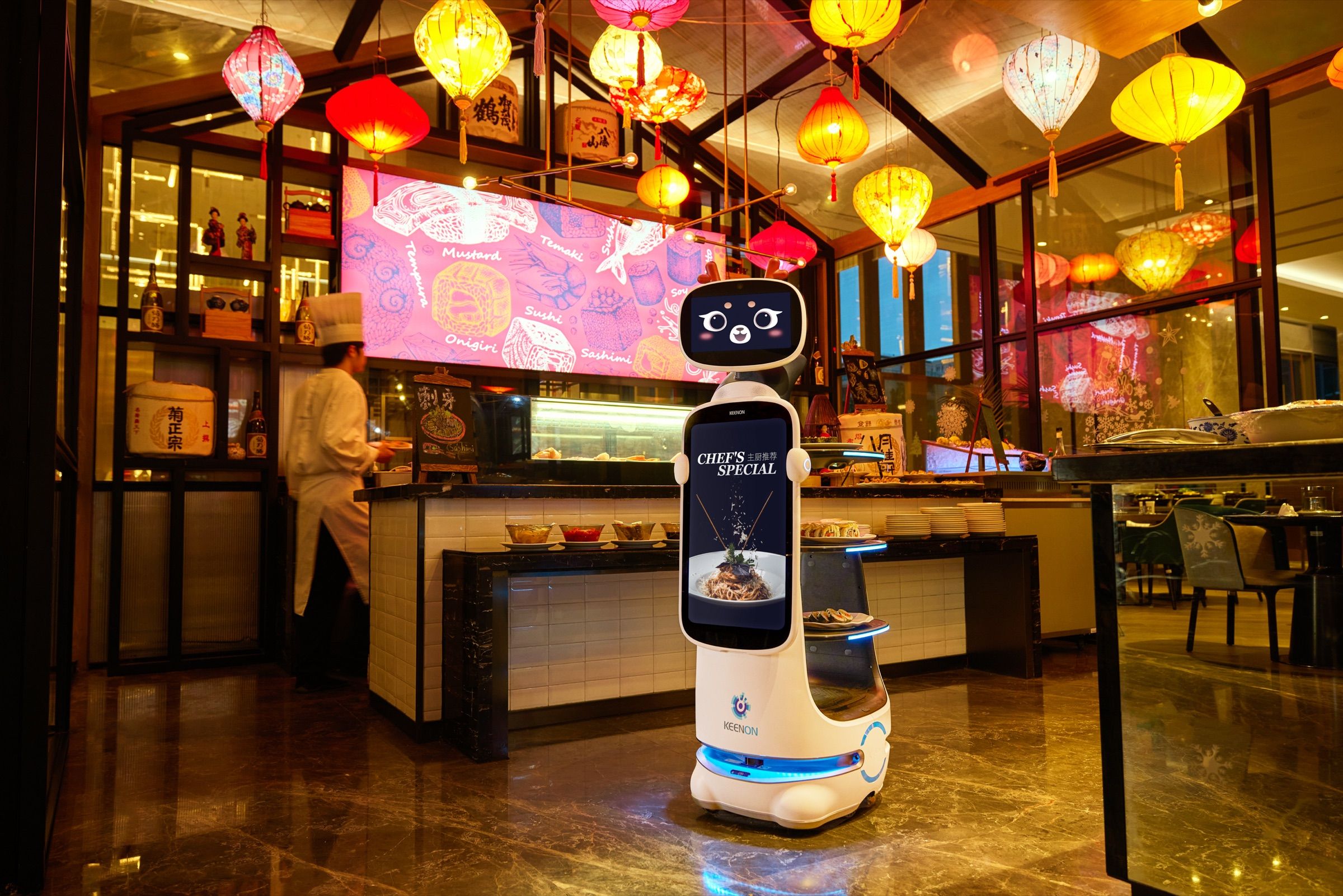
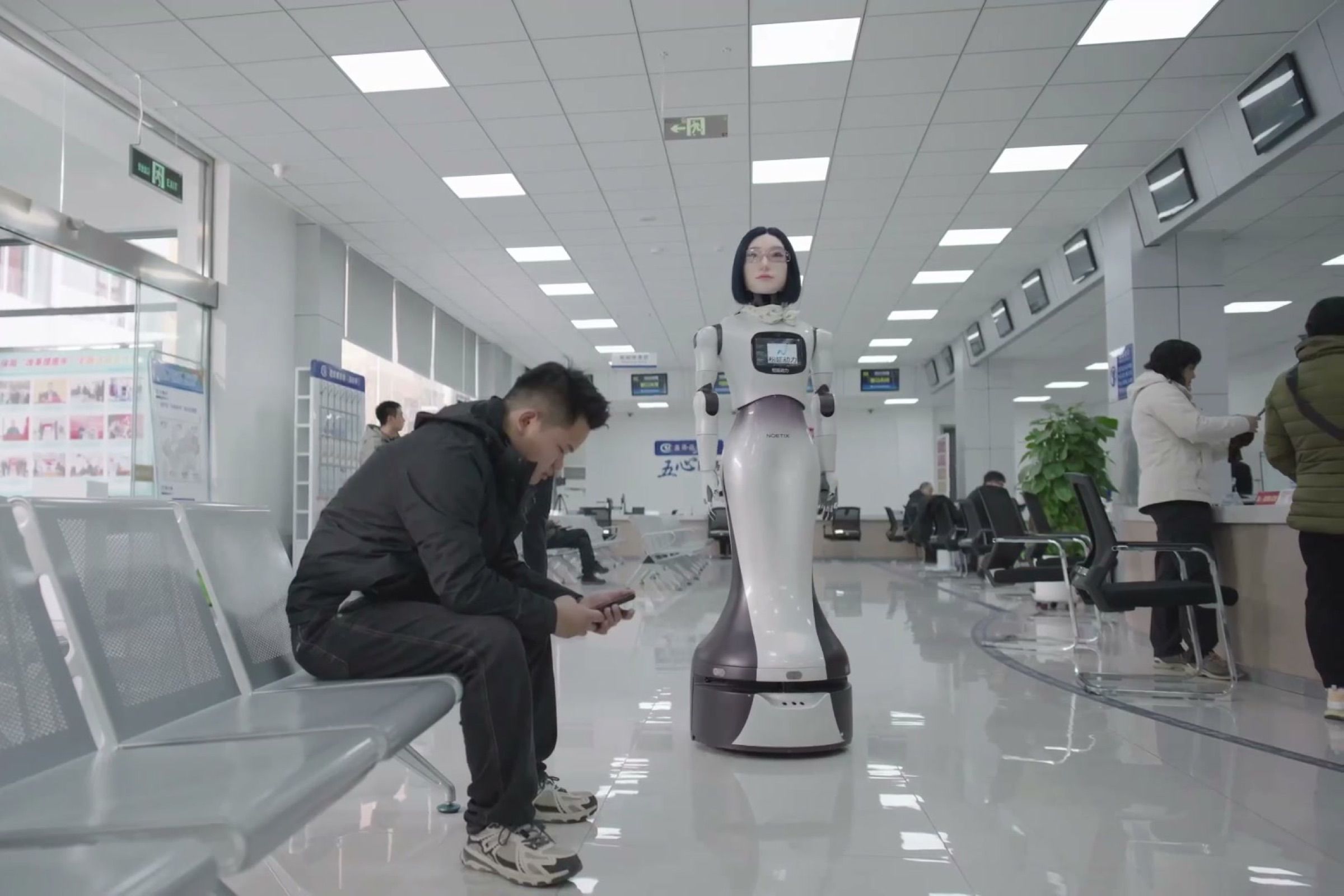
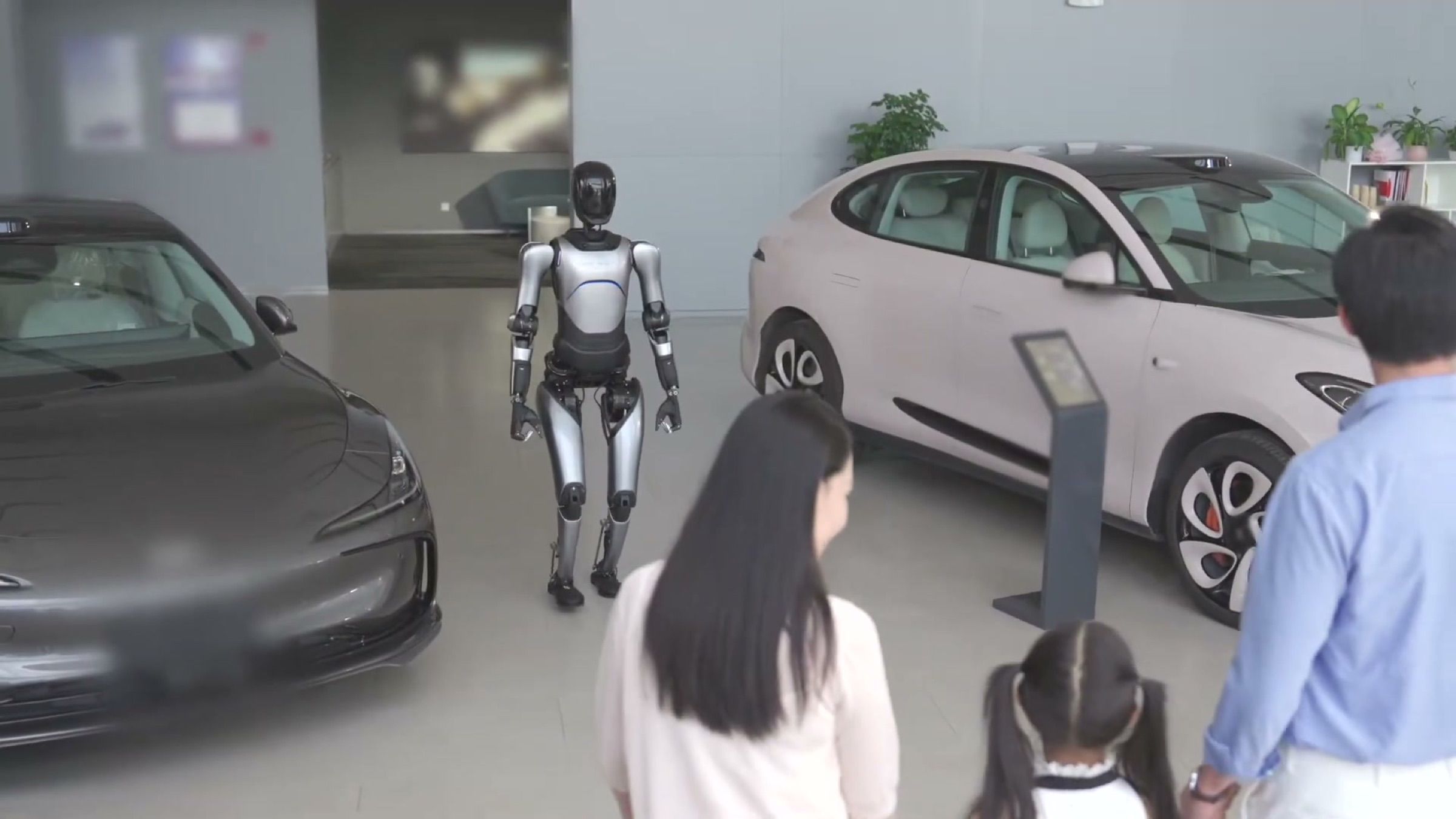



Reception and wayfinding robots suit busy public spaces where many visitors ask the same questions. Hotel lobbies, shopping centre entrances, airport terminals, hospital foyers, museums and visitor centres are typical examples. Front-of-house staff in these places often spend much of their time giving directions and repeating the same information, and in tourist areas many of those visitors are new to the building and the country.
A robot can handle much of that routine work. It greets people, answers common questions by voice or on its screen, and in larger buildings it can walk a visitor to the lift, the food court, the gate or the right clinic. When it is not busy it can show maps, notices and promotional content.
Complaints, complex bookings, clinical questions and people who need personal assistance stay with your reception or concierge staff. The robot works best as a first point of contact, which gives your team more time for those conversations.
Reception robots use cameras, microphones and sensors to navigate and interact, so privacy belongs in the scope from the start. Under the Privacy Act 2020 you need to be clear about what the robot collects, why, how long you keep it and who can see it, and visitors can ask for information held about them. Signage should tell people that cameras are operating and whether audio is recorded. Facial recognition brings in the Biometric Processing Privacy Code 2025, so that feature needs its own assessment before it is switched on.
You also need to decide what the robot says, what appears on its screen, and who keeps it up to date. If you want greetings, place names or signage content in te reo Māori, we test how each platform handles them before you commit.
We start by understanding who your visitors are, what they most often ask, and where they tend to get lost. During the site assessment we look at the entrance layout, floor surfaces, lighting, background noise, network coverage and where the robot will charge. After you approve the proposal, Robotx maps the space, sets up destinations, configures questions, answers and screen content, and integrates with your systems where the platform supports it. We train your staff to update content and look after the robot, then provide ongoing technical support, servicing, parts and warranty administration.
Have a question about your site? Talk to a specialist.
A reception robot greets visitors, answers common questions by voice or touchscreen, and shows directions or guides people to their destination. It can also display notices, maps and promotions. It handles routine enquiries so your front-of-house staff can spend more time on visitors who need personal help, such as complaints, bookings or accessibility needs.
Yes. A wayfinding robot uses a map of the building to lead visitors to set destinations such as stores, amenities, gates, clinics or wards. It navigates around people and obstacles as it goes. We map the building and set up destinations during deployment, and your team can update them when tenants or departments move.
Many reception robots support several languages for greetings and common answers, which helps at airports, hotels and visitor attractions with international guests. Te reo Māori is an official language of New Zealand, and how well platforms handle it, including pronunciation and macrons on screen, varies. We check the languages your visitors use and confirm what each platform supports before recommending one.
The Privacy Act 2020 and its information privacy principles apply to any personal information a robot collects. The Privacy Commissioner's CCTV guidance expects people to be told when cameras are operating, and when audio is being recorded. If a platform uses facial recognition, the Biometric Processing Privacy Code 2025 also applies. We explain what each platform collects so you can decide which features to use.
Pricing depends on the platform, the content and integration you need, and the support arrangement. Robotx sells robots outright and provides a written proposal after a consultation and site assessment. Deployment covers mapping, setting up destinations and content, integration where the platform supports it, and training your staff to manage the robot.
A Robotx consultation starts with your sites, tasks and constraints. We’ll tell you where robotics fits and where it doesn’t, and what a sensible first deployment would look like.