
Consistent inspection rounds
Each round checks the same points the same way, so changes over weeks and months stand out.
Robotx supplies and supports quadruped robots for inspection and patrol at New Zealand substations, power stations, water treatment plants, tunnels and industrial sites. The robots collect consistent thermal, visual and acoustic data on routine rounds, so people enter hazardous areas less often.
Legged robots that run scheduled inspection and patrol rounds with thermal, visual and acoustic sensors.
Each round checks the same points the same way, so changes over weeks and months stand out.
Routine rounds in hot, noisy, confined or energised areas mean people enter them less often.
Thermal, visual and acoustic data can flag hot spots, leaks and abnormal sounds before issues grow.
A patrol robot covers set routes after hours and reports anything unusual to the control room.
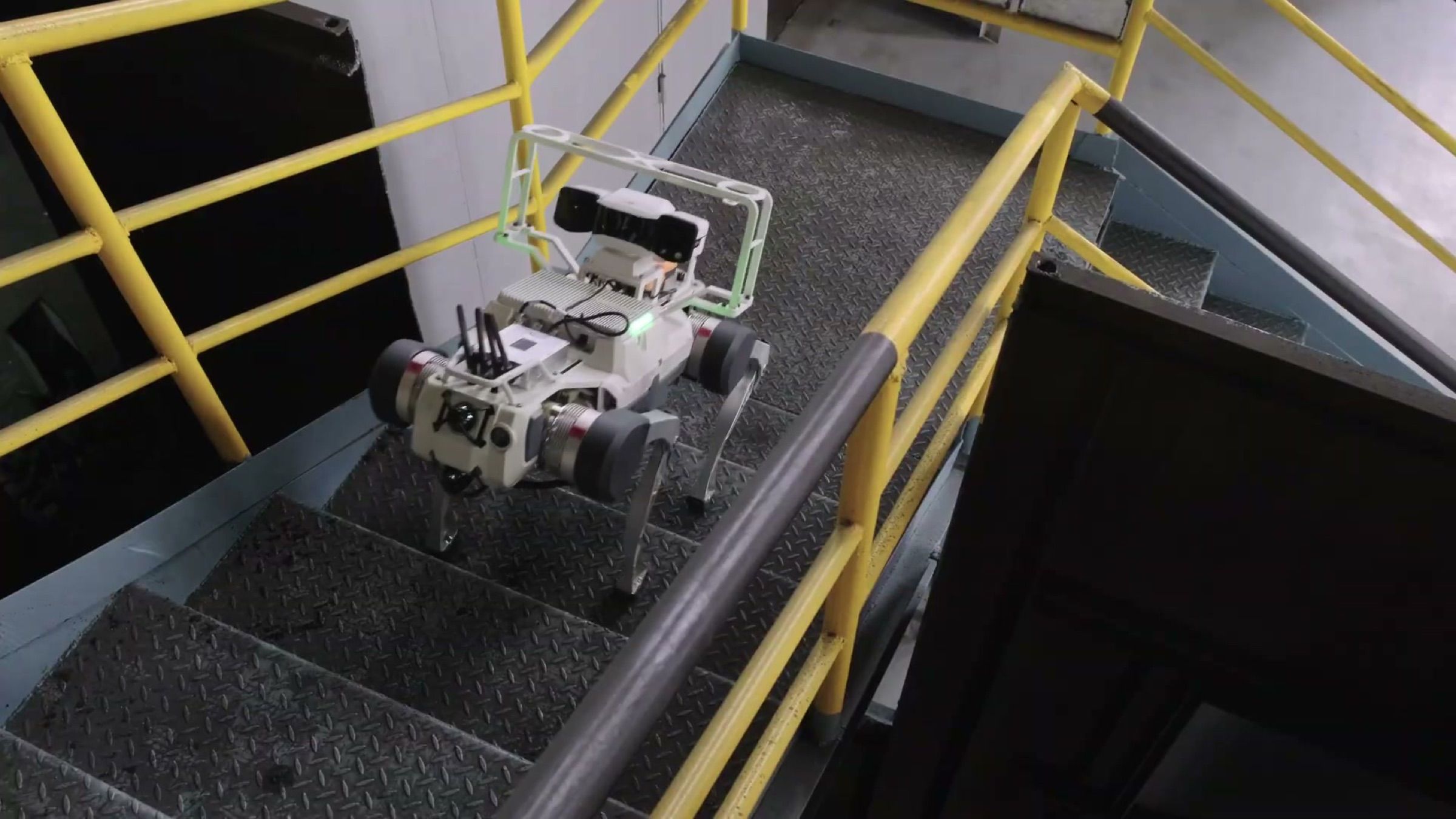
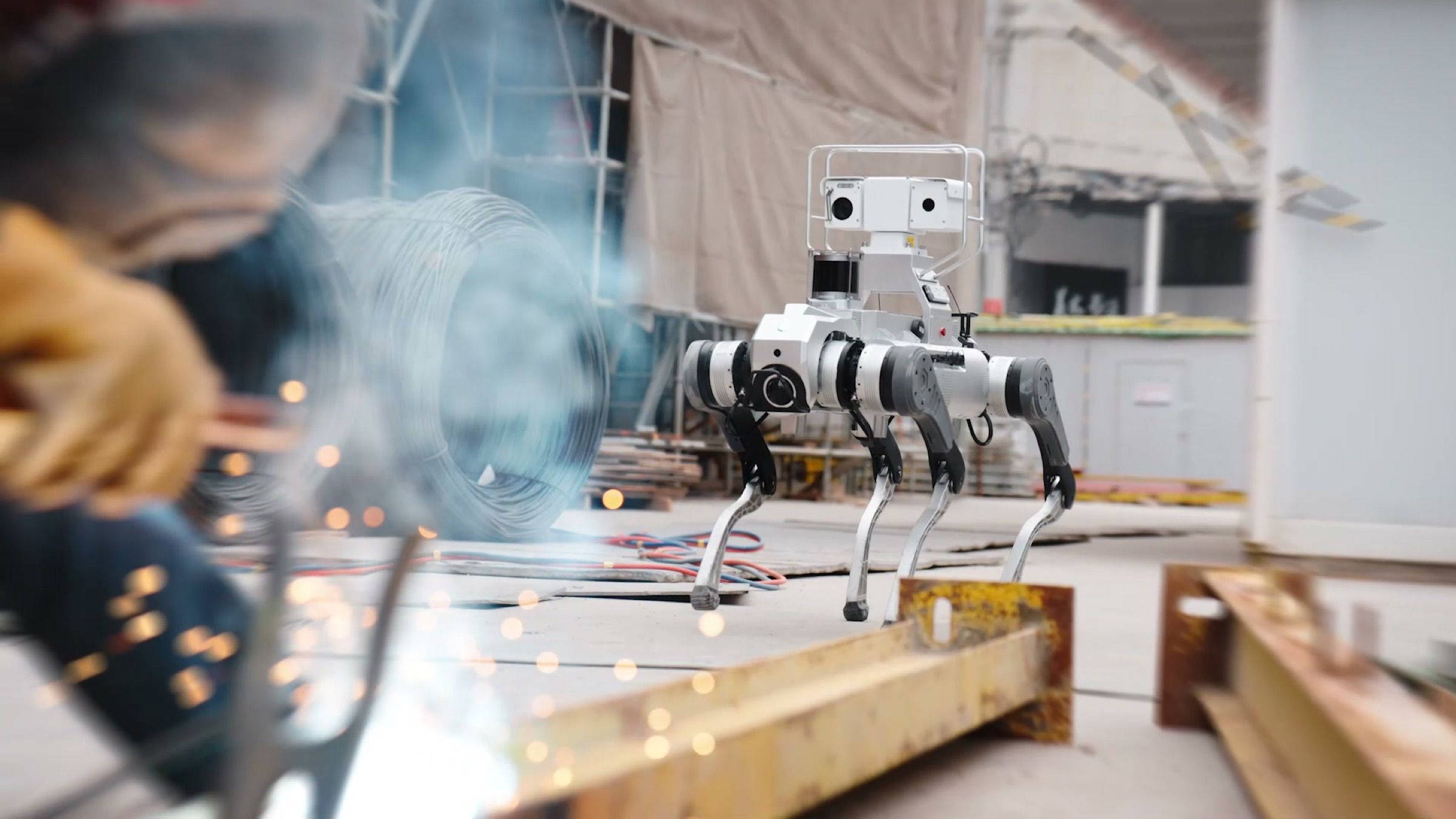
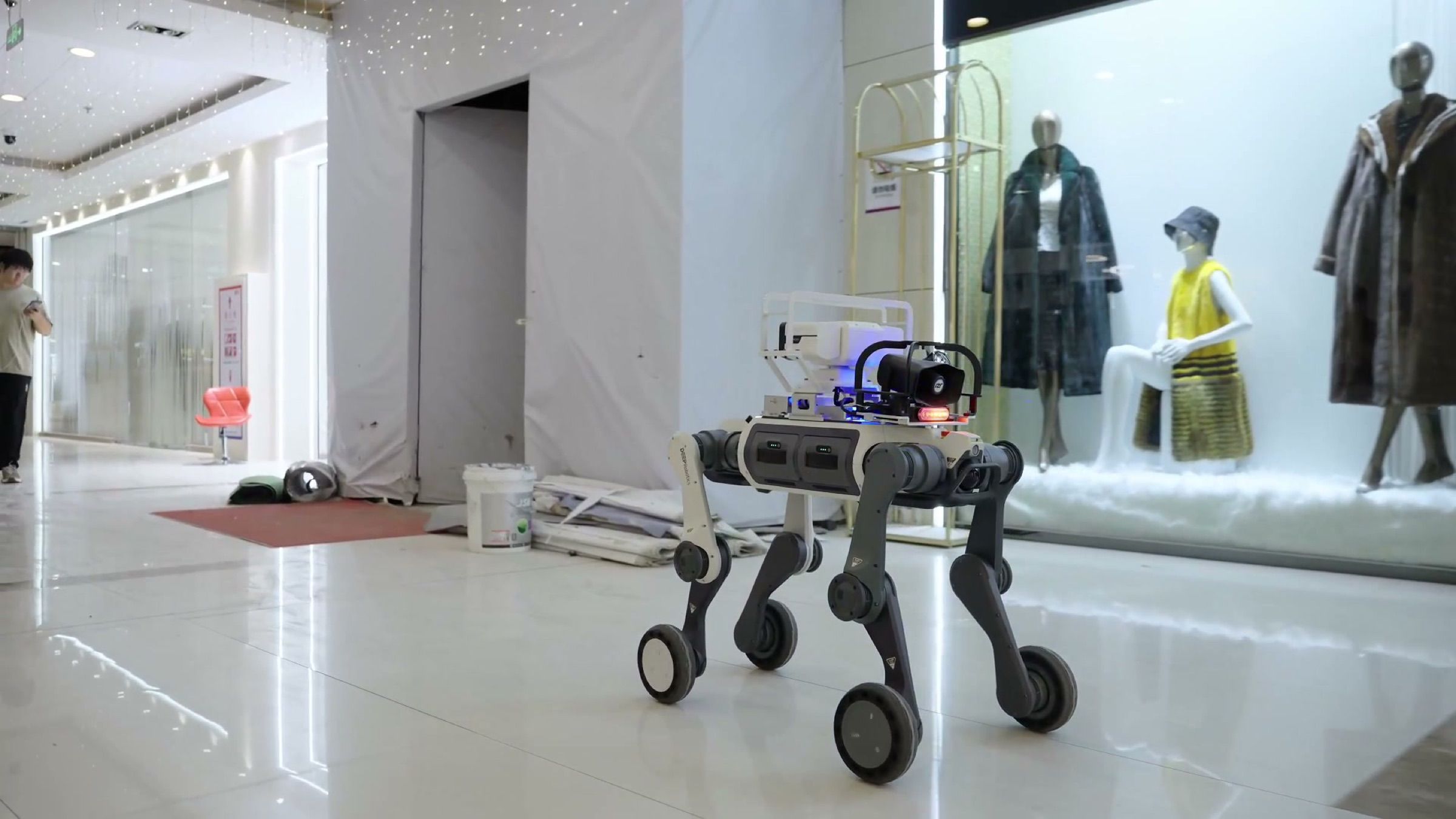

Many New Zealand sites rely on people walking the same rounds every day or night: grid and lines company substations, hydro and geothermal stations, water and wastewater treatment plants, plant rooms in dairy and food processing, and large industrial sites. The work is reading gauges, checking for leaks and hot spots, listening for unusual noise, and confirming that doors and fences are secure. These rounds matter, but they are repetitive, and some take people into areas that are hot, noisy, confined or close to energised equipment.
Quadruped robots can take on the routine part of that work. Because they walk rather than roll, they can climb stairs, cross gratings and handle the mixed surfaces found in substations, plant rooms and tunnels. Fitted with thermal, visual and acoustic sensors, they collect the same data at the same points on every round, which makes trends easier to see.
The robot does not replace qualified inspectors, maintenance staff or security officers. It collects information and flags anything unusual, and your people decide what to do about it.
During the site assessment we walk the proposed routes and look at terrain, stairs, doorways, lighting and weather exposure, including wind, rain and coastal salt air. We also check wireless coverage along the route, where the robot will charge, and how its data will reach your team.
For electricity, water and industrial sites, we work within your access rules, permits, exclusion zones and existing safety procedures, and treat the robot as part of your risk management under the Health and Safety at Work Act 2015. If a route passes through a classified hazardous area, the platform must be suitable for that zone, and we check its certification before recommending it. The choice of payload, whether thermal imaging, zoom cameras, acoustic sensors or gas detection where the platform supports it, depends on the faults you are trying to catch.
After you approve the proposal, Robotx sets up the robot, maps the site, configures routes and checkpoints, and trains your operators. Your operators run the missions and review the data. Robotx supports the equipment after handover with servicing, parts and warranty administration, and can adjust routes and checkpoints as your needs change. Support for remote or regional sites is agreed during scoping.
Have a question about your site? Talk to a specialist.
A quadruped robot can carry cameras, thermal imagers and acoustic sensors along a set route to check equipment such as switchgear, transformers, pumps, pipework, cable tunnels and conveyors at substations, hydro and geothermal stations, treatment plants and factories. It can capture images of gauges, detect hot spots and record unusual sounds. The data goes to your qualified people, who remain responsible for the inspection.
Legs let a robot climb stairs, step over cables and kerbs, and cross gratings, gravel and uneven ground that stop most wheeled robots, which is useful in plants, substations and older buildings with mixed surfaces. On flat, open sites a wheeled platform may be simpler, and we will say so during the assessment.
Many industrial quadrupeds are built for outdoor use with protection against dust and water, but rain, wind, mud, cold and steep ground all affect performance and battery life. Conditions vary widely, from subtropical sites in the far north to cool temperate and alpine sites further south. We check the platform's ratings against your site's exposure and seasonal extremes before recommending it.
Where the platform supports it, gas sensors can be fitted as a payload. That can help on sites where hydrogen sulphide is a known hazard, such as geothermal areas and wastewater plants. A robot-mounted sensor adds information to your rounds. It does not replace the personal gas detectors, monitoring and controls WorkSafe New Zealand expects for workers in those areas.
No. A patrol robot can cover set routes and report what it sees, but it cannot respond to an incident, exercise judgement or deal with people. It works best as an extra set of eyes that lets your security team focus on response. Robotx does not supply weaponised or restricted equipment.
Start with a consultation about the rounds you do today, the equipment you check and what you want to measure. We then assess the site, including routes, access, stairs, network coverage and charging locations. You receive a written proposal covering the platform, sensors, deployment plan, training and support. Pricing is set out in that proposal.
A Robotx consultation starts with your sites, tasks and constraints. We’ll tell you where robotics fits and where it doesn’t, and what a sensible first deployment would look like.