
Presentation from open to close
Floors still have to look right on a wet Saturday afternoon, when rain is tracked in at every entry and the cleaners on shift are also answering calls.
Robotx supplies and deploys cleaning, food court and concierge robots for shopping centres in New Zealand. They help keep floors presentable from the overnight clean through weekend trade, with ownership, safety duties and lift arrangements settled before anything is bought.
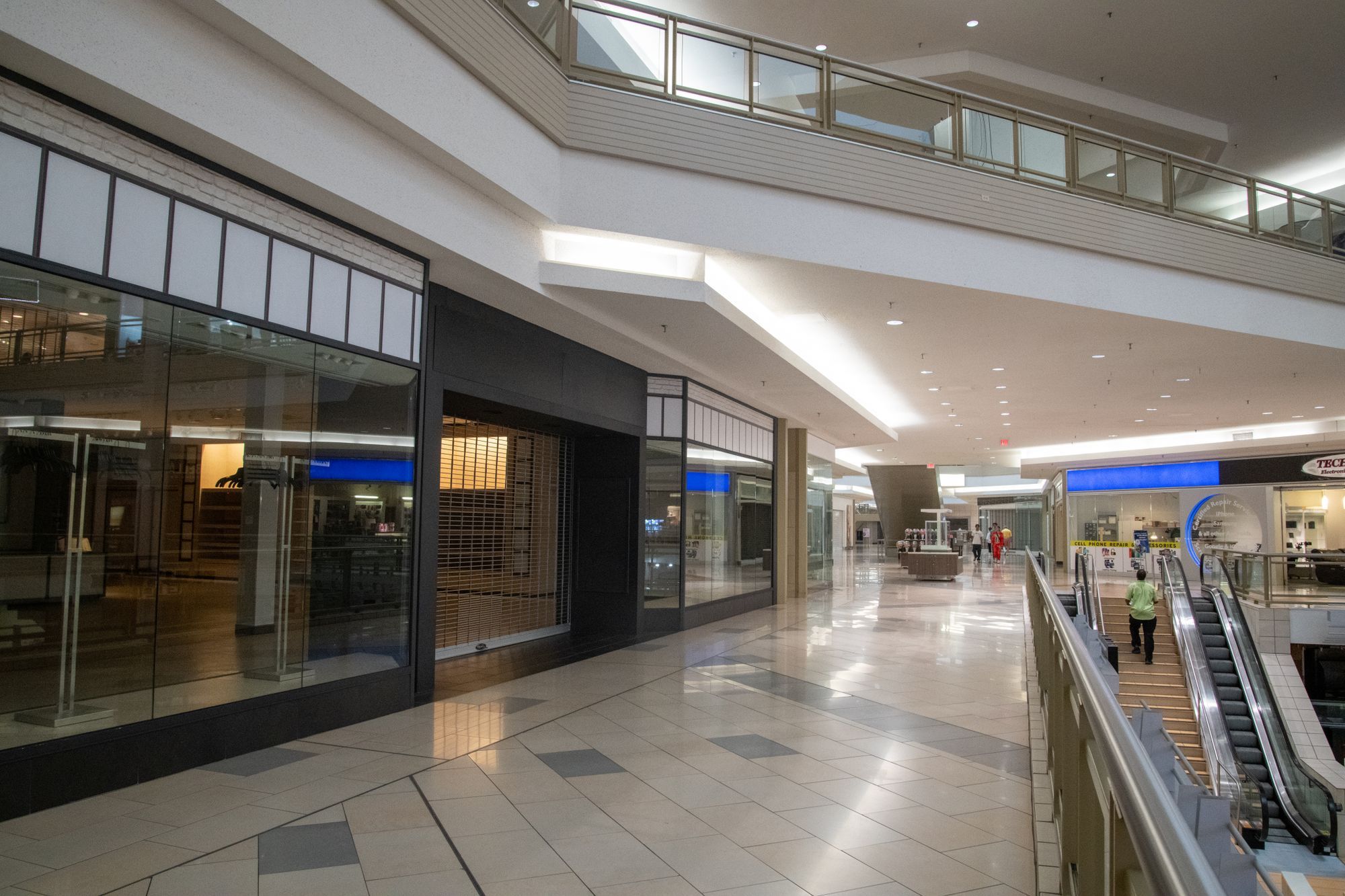
Floors still have to look right on a wet Saturday afternoon, when rain is tracked in at every entry and the cleaners on shift are also answering calls.
Late cinema sessions, extended trading, early gym and supermarket openings and contractor works all squeeze the overnight cleaning window.
At lunch, seating depends on clear tables, and the same small team is clearing trays, emptying bins and dealing with spills.
Cleaning contracts run on tight margins, and centre managers need evidence that service levels were met across every mall, amenity block and car park lobby.
Large autonomous scrubbers clean malls and entries overnight, freeing the night crew for amenities, food court detail and tenancy frontages.
Autonomous CleaningCompact robots make low-speed passes through busy malls during trade, steering around prams, trolleys and mobility scooters, so floors stay presentable between cleaner rounds.
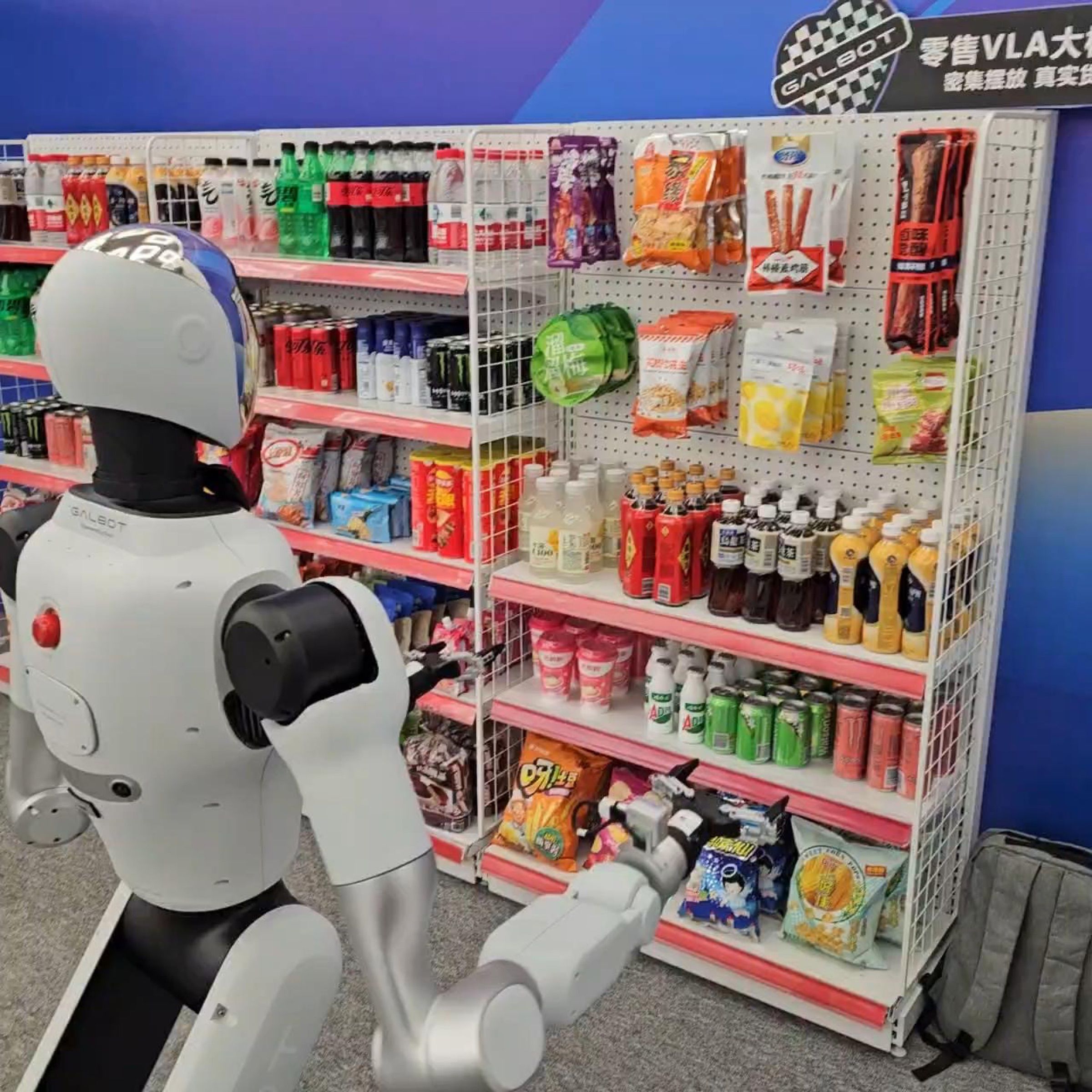
Autonomous CleaningService robots carry used trays and crockery from the dining area to wash-up, so staff spend less time walking and more time clearing tables.
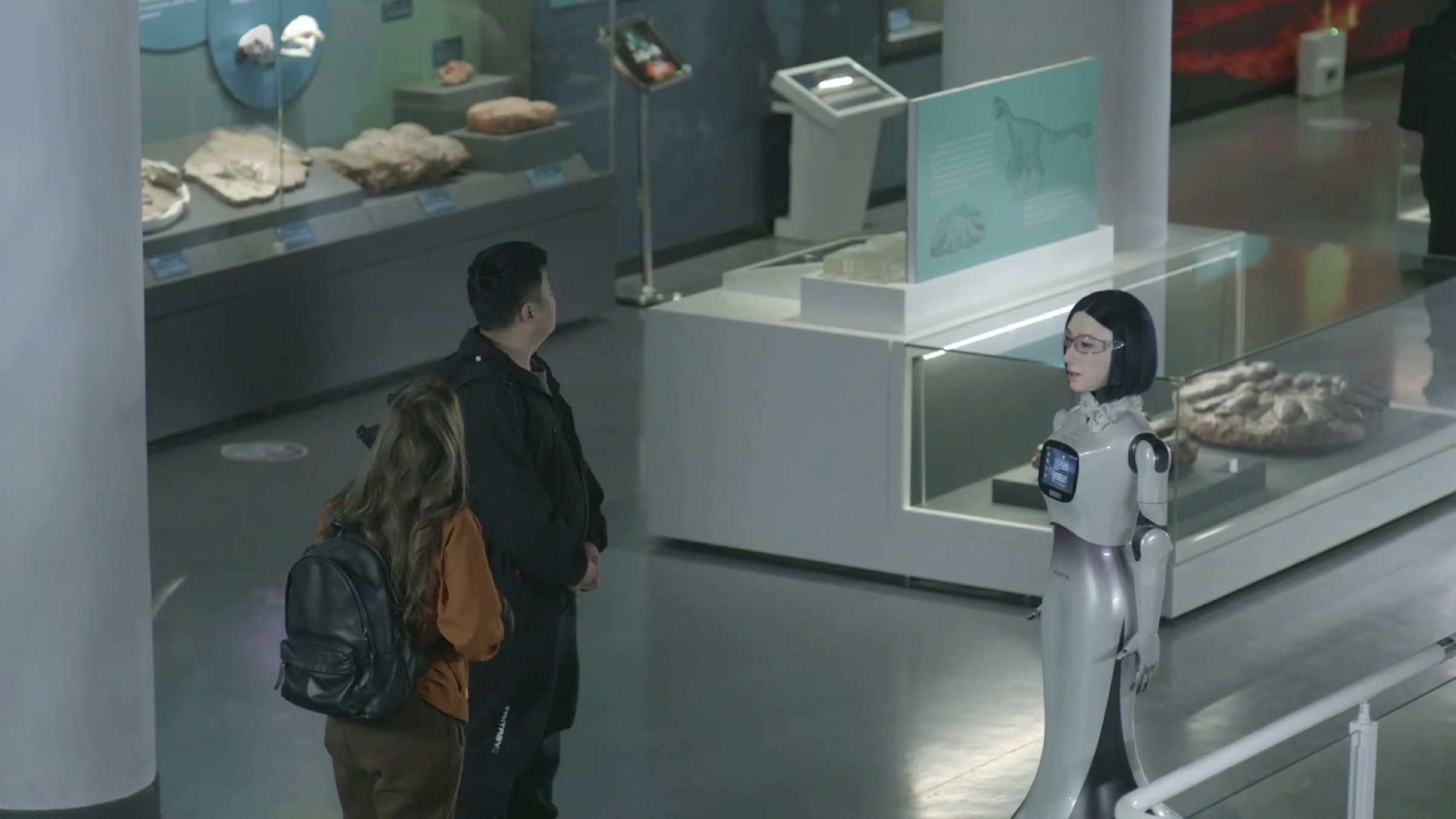
Service & Delivery RoboticsRobots near entries and car park lifts help shoppers find stores, amenities, parent rooms and bus or taxi pick-up points.
Reception & WayfindingRobots move waste and recycling along service corridors to the loading dock, so fewer trolleys cross public malls during trade.
Autonomous Material Transport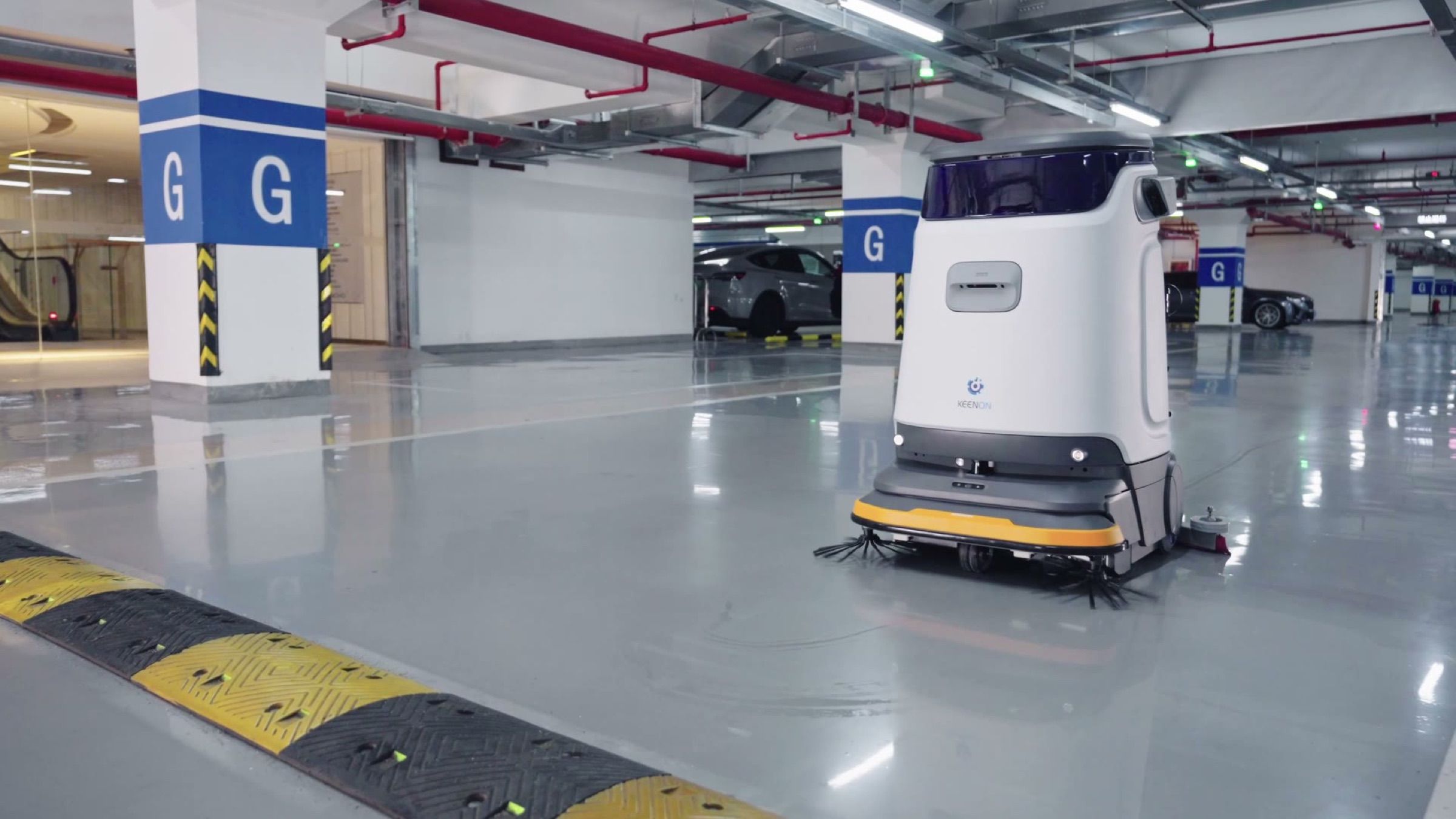
In most New Zealand centres, cleaning is delivered by a contractor under a contract with the owner or managing agent. That makes robot ownership a contract question as much as a technology one.
When the centre owns the robots, the equipment stays on site if the contractor changes, and the centre controls specification and data. The agreement then needs to say who operates, charges and maintains them. When the contractor owns the robots, they become part of the contractor’s method and pricing, and leave with the contractor at the end of the term. Contract changes already carry obligations for people: cleaners covered by Part 6A of the Employment Relations Act 2000 can elect to transfer to an incoming contractor. The robots deserve the same clarity, so we help both parties set out ownership, operation and servicing before anything is purchased.
Overnight is when large autonomous scrubbers do the heavy work across malls, entries and car park lift lobbies, while the night crew focuses on amenities, food court detail and tenancy frontages. With extended trading and contractors on site, that window is often shorter than it looks on paper.
During trade, smaller robots make repeated passes through the busiest malls to keep floors presentable, especially on wet days, while cleaners respond to spills and calls. Robots slow and stop around shoppers, and routes are planned around escalator landings, voids and play areas. Because the owner, managing agent, cleaning contractor and tenants can all hold duties for the same risks, the Health and Safety at Work Act 2015 expects them to consult, co-operate and co-ordinate, and we plan routes with that in mind.
Robots that travel between levels need lift integration. Lifts, escalators, travelators and automatic doors are specified systems under the Building Act 2004, inspected for the building warrant of fitness, so we involve your lift contractor and, where relevant, your independently qualified person (IQP) early.
Food courts are where service robots tend to earn their keep. At lunch, a robot carrying used trays and crockery back to the wash-up lets a small team spend more time clearing and wiping tables. Concierge and wayfinding robots suit centres with complex layouts or several car park entries, and work best with an up-to-date directory.
Have a question about your site? Talk to a specialist.
Yes. Commercial cleaning robots are designed for occupied spaces and move at low speed, stopping and re-routing around shoppers, prams and trolleys. Most centres use larger machines overnight and smaller robots for repeated presentation passes during trade. Spills, amenities and food court detail remain with cleaners. We review foot traffic during the site assessment to set practical routes and times.
It depends on the contract. When the centre owns robots, they stay on site through contractor changes, but the contract must cover who operates and maintains them. When the contractor owns them, they sit within the contractor's method and pricing. We can work with centre management, the contractor or both to set out ownership, operation and servicing before purchase.
Partly. Service robots can carry used trays and crockery from the dining area back to the wash-up or tray return point, which saves staff a lot of walking during peaks. They do not wipe tables or sort waste; people still do that. The most effective set-ups pair robots with a small team who clear, wipe and load, so tables turn over faster.
Responsibility sits with the businesses running the space. In New Zealand, ACC covers most accidental injuries and limits damages claims for them, but it does not remove health and safety duties: the business managing the centre must ensure, so far as is reasonably practicable, that shoppers are not put at risk. Include robots in your risk assessments, and check with your insurer and advisers.
It starts with a consultation and a site assessment during trade and, where possible, overnight. Pricing depends on floor area, finishes, the number and type of robots, and any lift, door or system integration. Robots are purchased outright. We then provide a written proposal covering equipment, mapping, configuration, training and ongoing support, set out for centre management, the cleaning contractor, or both.
A Robotx consultation starts with your sites, tasks and constraints. We’ll tell you where robotics fits and where it doesn’t, and what a sensible first deployment would look like.