

Industrial handling tasks
Leju positions KUAVO humanoids for automotive, electronics and logistics work, starting at one defined station.
Partner
Robotx supplies Leju Robotics full-size humanoids, walking or wheeled, to New Zealand enterprise, commercial and research customers. We scope the application, then deploy and support the platform.
Humanoid robot maker with full-size platforms for industry, customer service and research.
Leju positions KUAVO humanoids for automotive, electronics and logistics work, starting at one defined station.
Leju lists exhibition guidance, in-store shopping help and bank branch assistance among its commercial uses.
KUAVO comes with legs or a wheeled base, chosen to suit your site and task.
Universities and corporate R&D teams can build and test applications on a ready-to-use full-size humanoid.
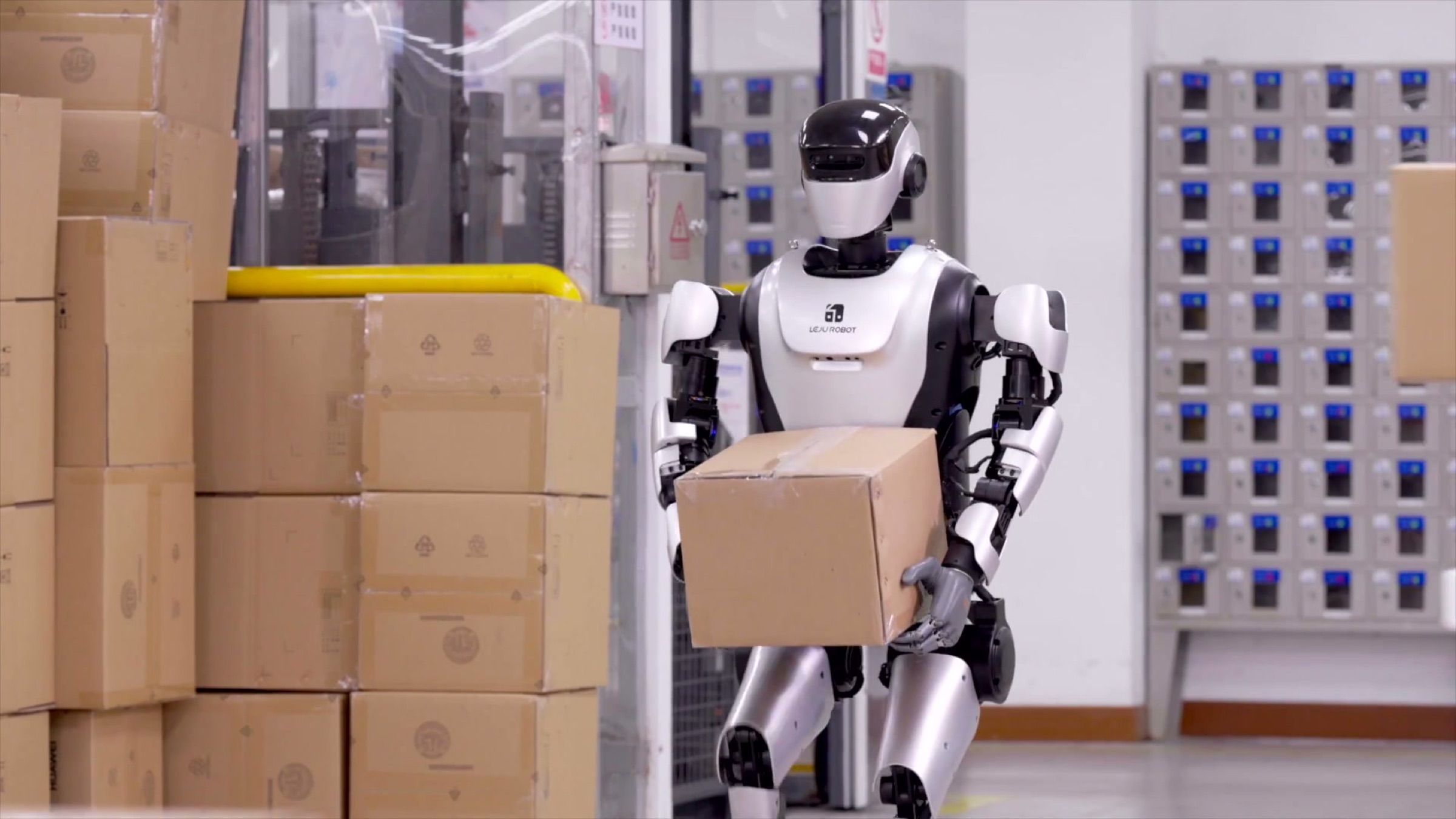
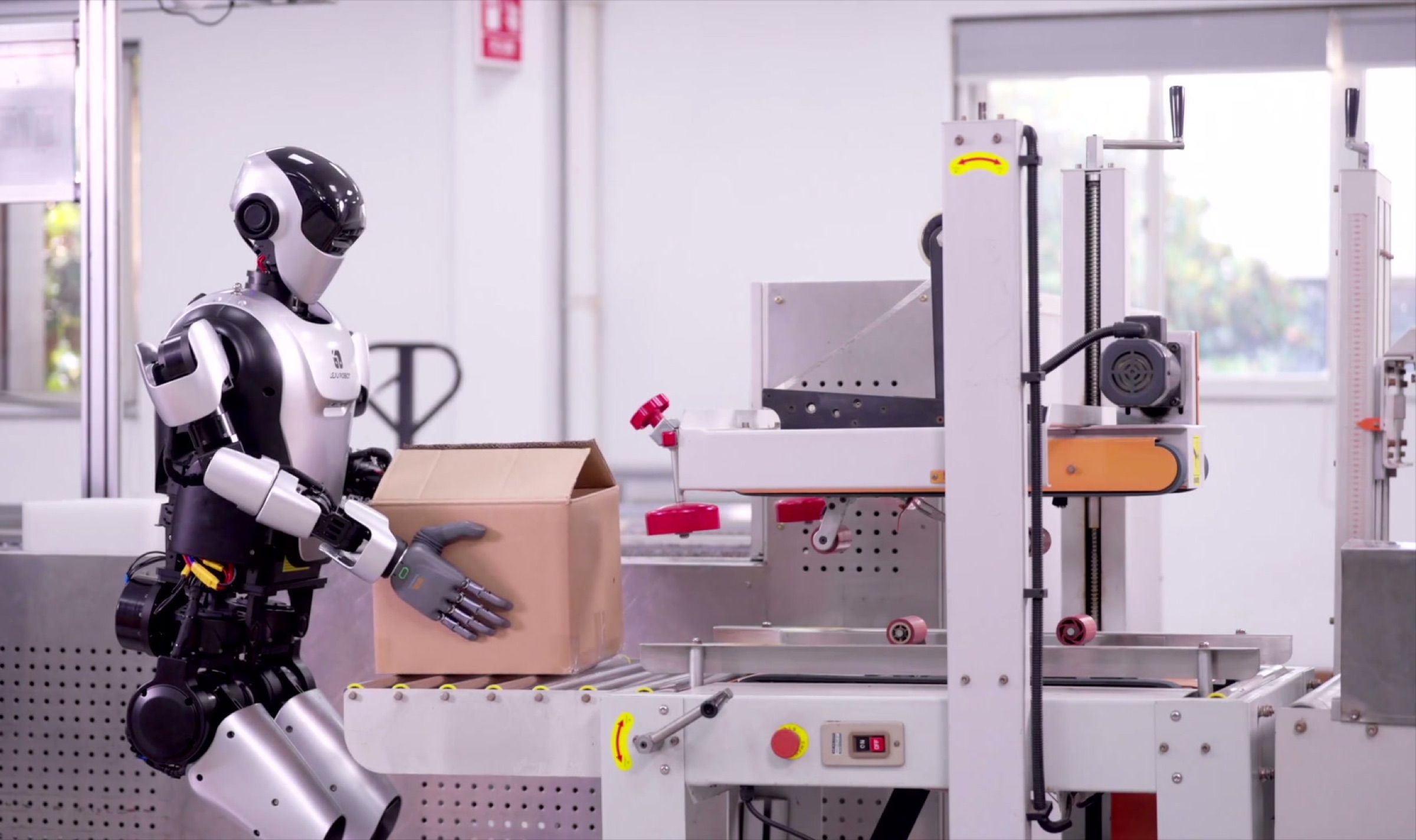
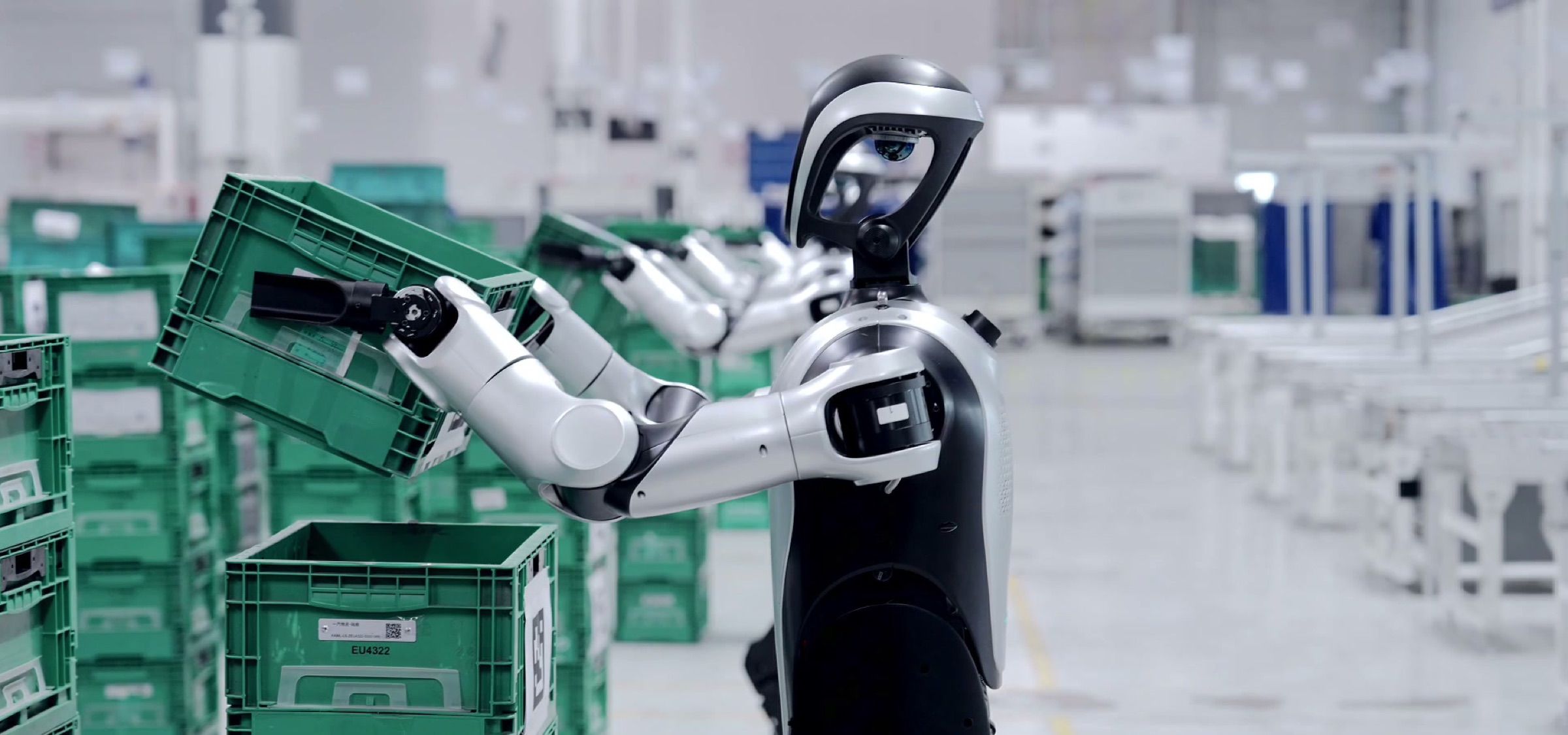
Leju Robotics is a humanoid robot company founded in 2016. Its main enterprise platform is the KUAVO family of full-size humanoids, which can be configured to walk on two legs or to travel on a wheeled base, with interchangeable hands or grippers for different tasks. Leju also makes smaller humanoids and education robots for teaching and research.
Leju groups its work into industrial applications, commercial service roles such as guidance and in-store assistance, and research and training platforms.
For New Zealand manufacturers and logistics operators, the case is strongest where a workstation was designed for a person, the task is repetitive and changing the layout for fixed automation would be expensive. Moving parts between stations or handling totes in a distribution centre are typical examples.
In commercial settings, a humanoid can take on routine visitor-facing work: greeting people at an entrance, answering common questions in a shopping centre or large store, or guiding visitors through an exhibition or visitor centre. For university engineering and AI groups and corporate R&D teams, a full-size humanoid gives a hardware platform to build on.
Humanoids are still a maturing category. We suggest starting small, with one task, one area and agreed measures. Under the Health and Safety at Work Act 2015 the risk needs managing so far as is reasonably practicable, with the workers affected involved, so we bring in your health and safety lead early and introduce the robot under a proper risk assessment.
We begin by pinning down the task, then assess floor surfaces, network coverage and who works nearby. Our recommendation comes in a written proposal. If you go ahead, Robotx delivers and configures the platform, connects it to your systems where the platform supports it, and trains the people who will run it. Support, servicing, parts and warranty claims then run through Robotx.
Have a question about your site? Talk to a specialist.
Robotx supplies Leju Robotics platforms to enterprise, commercial and research customers in New Zealand. For university and research groups, the first conversation is usually about configuration and software access. For operational sites, we start with an assessment of the task and the work area. In both cases Robotx handles supply, set-up, training and ongoing support.
A walking, or bipedal, humanoid moves on legs and can manage steps and uneven ground, but it is slower and uses more energy. A wheeled humanoid keeps the human-like upper body on a wheeled base, which is faster and steadier on flat floors. Leju's KUAVO family comes in both configurations.
Leju markets its humanoids for industrial, commercial service and research use, but humanoid robotics is still an early-stage category compared with delivery or cleaning robots. For a New Zealand site, we recommend one defined task, clear measures and a limited area to begin with. If a humanoid isn't the right tool for your task, we will say so.
Yes, for the Leju platforms Robotx supplies. Robotx handles fault diagnosis, servicing and parts orders, and deals with Leju directly on warranty claims. Hands, grippers and some other components may need to be sourced from the manufacturer overseas, so we discuss parts supply and on-site support for your location during scoping, before you buy.
Pricing depends on the configuration, including legs or wheels and the type of hands or grippers, as well as integration work and support terms. We don't publish a price list. The written proposal we provide after scoping lists each configuration choice alongside deployment, training and support, so you can see what drives the total.
A Robotx consultation starts with your sites, tasks and constraints. We’ll tell you where robotics fits and where it doesn’t, and what a sensible first deployment would look like.