
Walking time in the pick process
In each-pick operations, a large share of every shift goes on walking totes to pack benches and pushing cages to the dock rather than picking.
Robotx supplies and deploys mobile, cleaning and inspection robots for distribution centres, 3PLs and coolstores in New Zealand. Autonomous mobile robots take over the repetitive carrying between pick, pack and dispatch, so your people stay on the work that needs them.
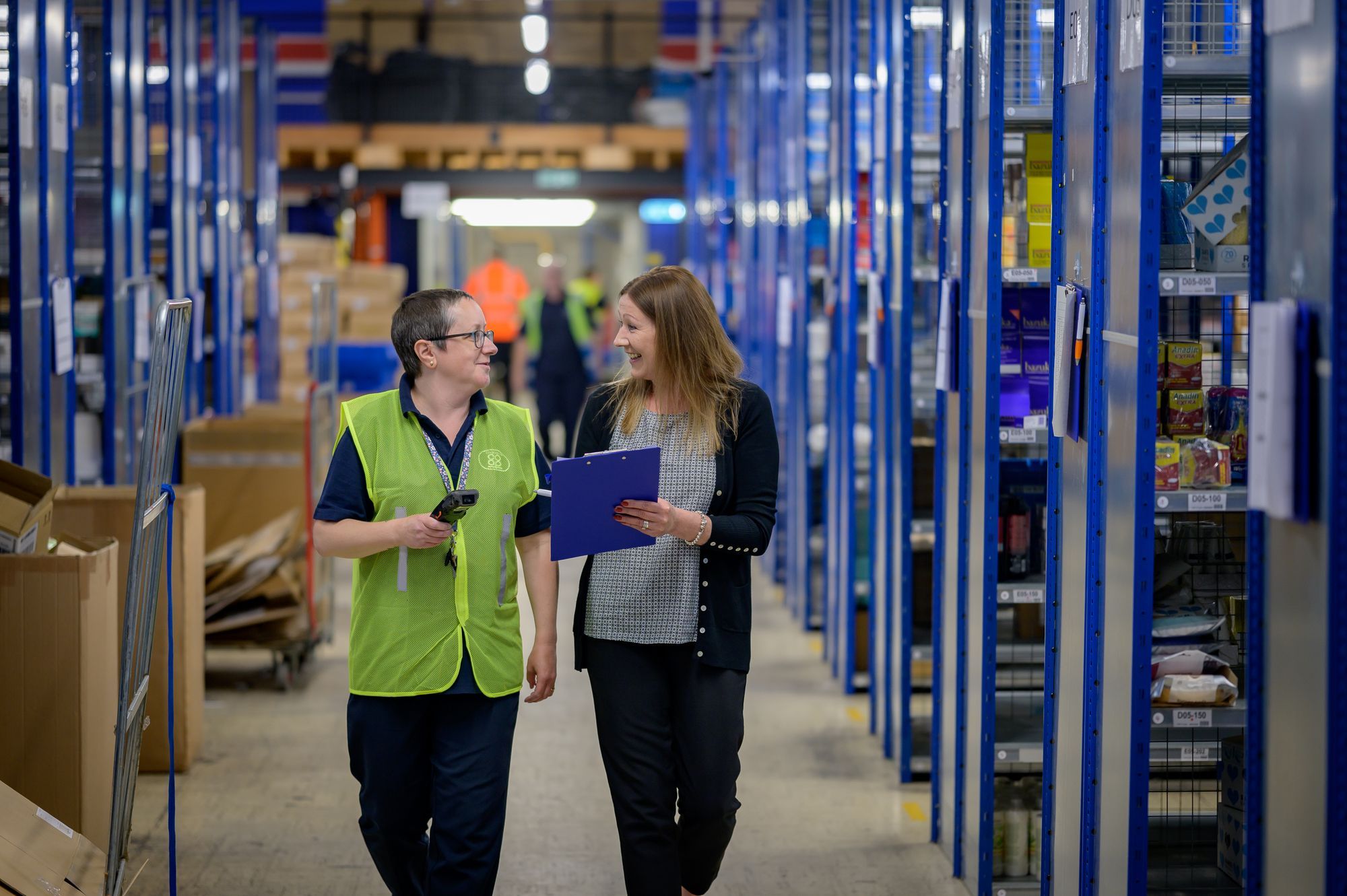
In each-pick operations, a large share of every shift goes on walking totes to pack benches and pushing cages to the dock rather than picking.
Black Friday and Christmas lift retail volumes late in the year, while coolstores and packhouses gear up for harvest. Each peak needs extra people recruited and inducted quickly.
WorkSafe New Zealand has said that rules and procedures alone are not enough, and that pedestrians need to be segregated from forklift activity. Every short forklift trip you remove helps.
Pallet debris, shrink-wrap and spills create slip and trip risks, and on a two or three-shift site cleaning competes with operations for aisle time.
AMRs carry totes from pick zones to pack benches on repeat, so pickers stay in their zone and packing gets a steadier flow of work.
Autonomous Material TransportAMRs move cartons, cages and roll containers from receiving to put-away, or from pack benches to the dispatch lanes for outbound trucks.
Autonomous Material TransportRobots run scheduled loops between stores and value-add benches, such as labelling, kitting or retail-ready packing, so operators stay at their stations.
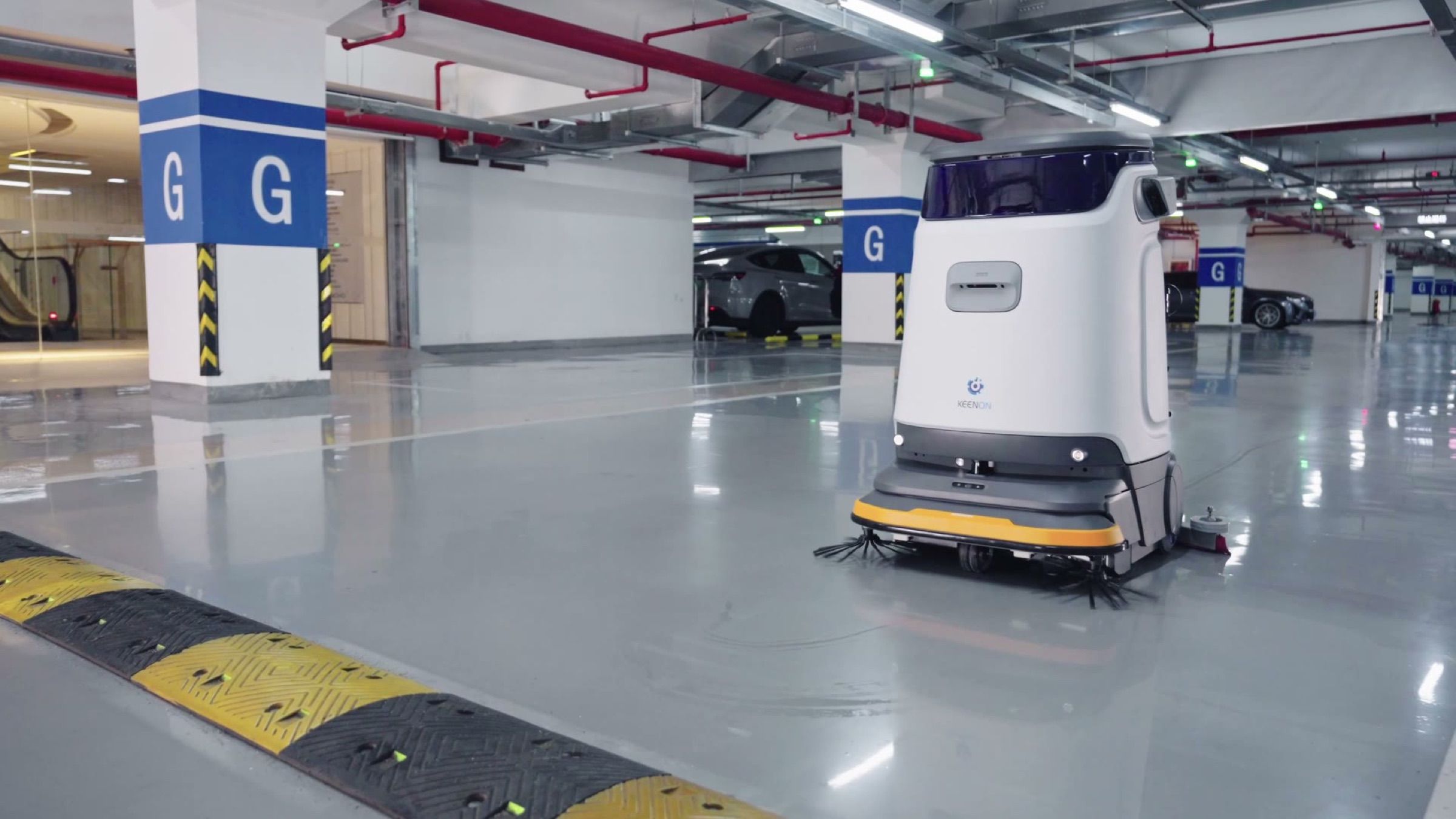
Autonomous Material TransportLarge scrubbers and sweepers clean ambient aisles, dock areas and coolstore corridors between waves or overnight, while your team handles spills and detail work.
Autonomous CleaningLegged robots walk yards, racking aisles and plant rooms after hours, capturing images of doors, roller shutters and refrigeration plant for security and maintenance teams.
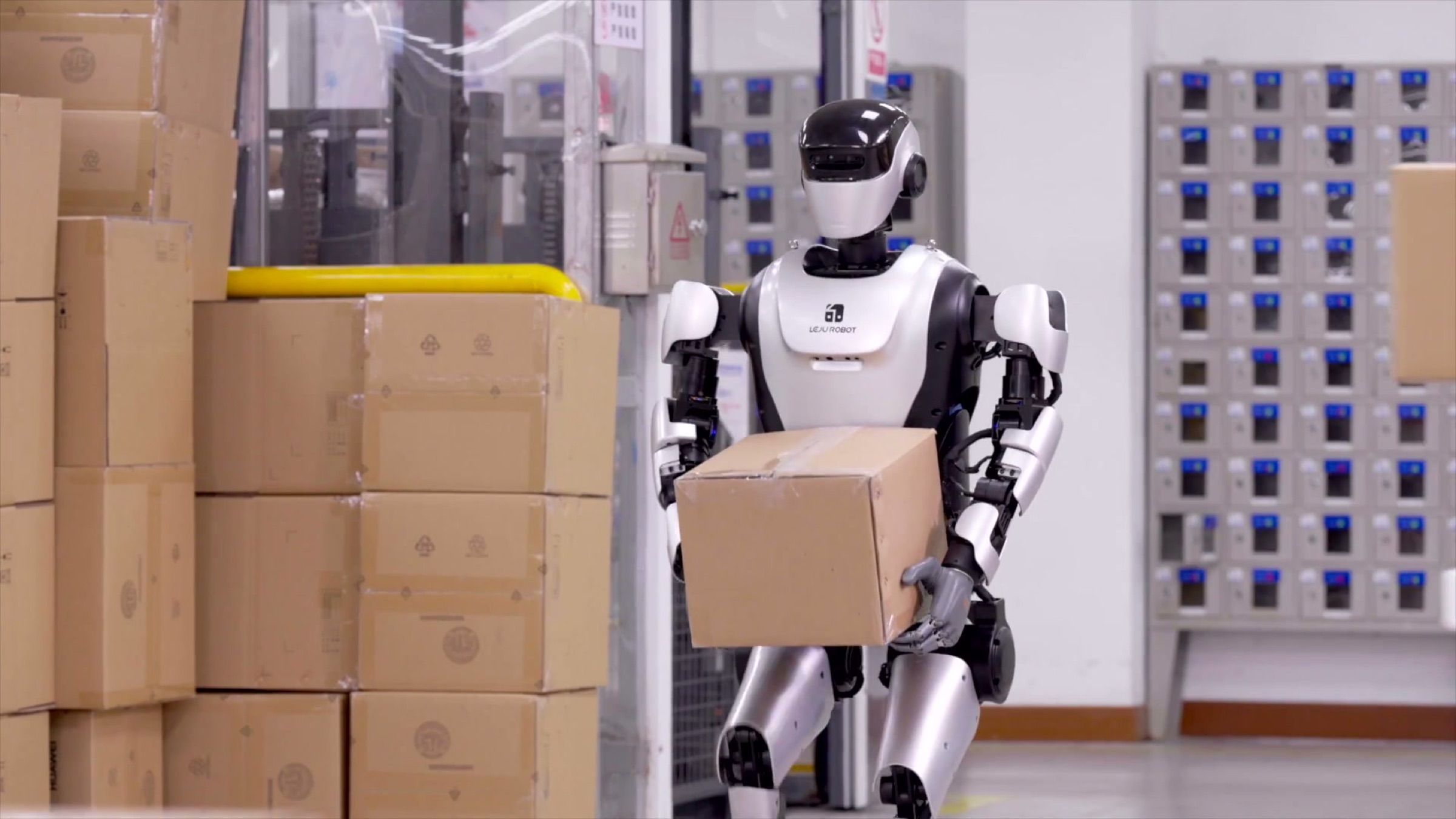
Inspection & PatrolHumanoid platforms are being assessed for tote handling and similar repetitive tasks. For most warehouse work they are still early, and we will tell you so.
Humanoid Robotics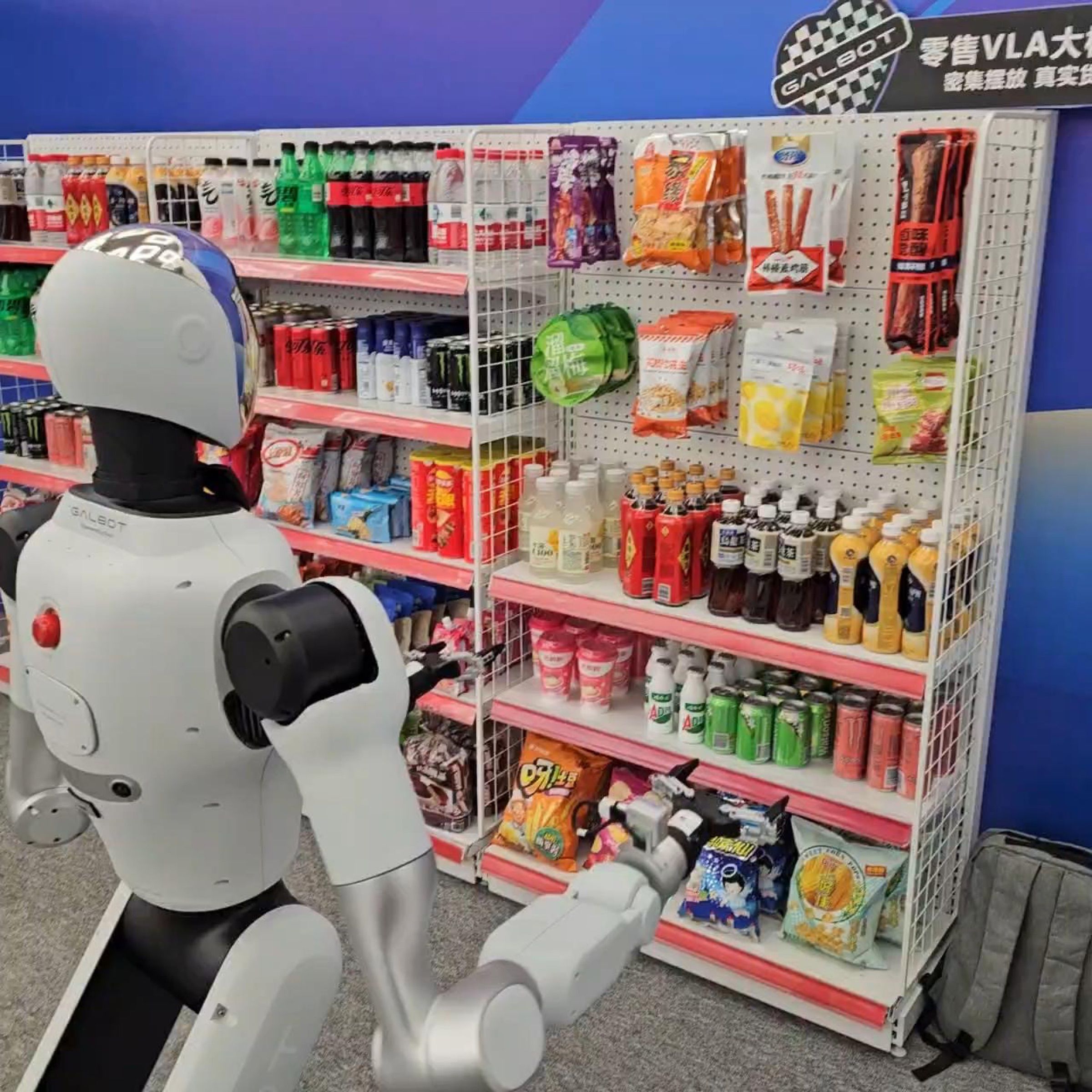
Autonomous mobile robots are good at moving goods from A to B, over and over, without being told how to get there. In a South Auckland distribution centre, a coolstore near the Port of Tauranga or a site beside the rail-linked inland port at Ruakura in Hamilton, that job is mostly done by people walking totes to pack benches, pushing cages to the dock, or using a pallet jack for a short hop that ties up equipment and an operator.
The strongest early candidates are the most repetitive routes. Pick-to-pack transport in an each-pick operation is a common starting point, because it keeps pickers in their zones and smooths the flow of work to packing. Inbound staging, dispatch lanes and value-add replenishment follow similar logic. Full pallet movement over long distances is a different category of equipment, and we will tell you if your problem is better solved another way.
Floor care is the other early win. Large slab floors suit autonomous scrubbers and sweepers that run overnight or between waves, and the cleaning budget can then go on spills and detail work.
Under the Health and Safety at Work Act 2015, the business running the site must manage risks so far as is reasonably practicable and engage with the workers affected. AMRs change your traffic management plan. They need defined routes, controlled crossing points with forklift traffic, and staff who understand how the robots behave. WorkSafe New Zealand has been clear that segregating people from forklifts matters more than written rules, and taking short-haul moves off forklifts can support that.
At 3PL and shared sites, more than one business may hold duties for the same risk, and each must consult, co-operate and co-ordinate with the others. We bring the operator, the client and worker representatives into the conversation so the robots are written into the plan from the start.
We start with a consultation and a site assessment, walking the floor during operations and reviewing your volumes, shift patterns, temperature zones and layout. You then receive a written proposal covering equipment, integration, deployment, training and support, with timing planned around your peak seasons. Your operations team runs the fleet day to day, and Robotx handles configuration changes, servicing, parts and warranty claims.
Have a question about your site? Talk to a specialist.
An autonomous mobile robot (AMR) navigates using onboard sensors and a map of your site, plans its own route and goes around obstacles. A traditional automated guided vehicle (AGV) follows fixed paths such as magnetic tape or wires. AMRs are generally quicker to re-route when layouts change, which suits distribution centres that re-slot often or reconfigure for seasonal work.
Not always. Many sites start with missions triggered from a tablet, a call button or a barcode scan, which needs no WMS work at all. Integration with your WMS or WCS can follow once the routes are working and the benefit is clear. We scope both options and explain what each involves, including who delivers the integration, before you commit.
Yes, with planning. AMRs detect people and obstacles and slow or stop, but forklifts bring a different level of risk, and WorkSafe has said pedestrians need to be segregated from forklift activity, not protected by rules alone. We review your traffic management plan with your health and safety lead and workers, and recommend shared aisles, dedicated lanes or controlled crossing points.
Some can, within limits. Every platform has a rated operating temperature range, and moving between cold rooms and ambient areas can cause condensation on sensors. Many sites keep robots on ambient routes such as dispatch and packing, with chilled areas assessed case by case. We confirm what the platform can manage at your actual temperatures before recommending it.
Cost depends on the number of robots, payload type, building size, integration scope and shift pattern. Robots are bought outright. After we walk the floor during operations, our written proposal breaks out equipment, integration, deployment, training and support, with a deployment plan timed around your peaks so go-live does not land in the pre-Christmas rush or harvest.
For most sites, not yet as a core part of operations. Humanoid and wheeled embodied-AI platforms are developing quickly and can suit some structured, repetitive tasks. AMRs and autonomous cleaners are the practical starting point for most warehouses today. If humanoid platforms are on your roadmap, we can help you assess them honestly against your processes.
A Robotx consultation starts with your sites, tasks and constraints. We’ll tell you where robotics fits and where it doesn’t, and what a sensible first deployment would look like.