
Large floors covered the same way each time
Terminal concourses, mall corridors and ward hallways are cleaned along the same mapped paths on every pass.
Robotx supplies, deploys and supports autonomous cleaning robots for New Zealand hospitals, aged residential care, airports, shopping centres and hotels. The robots take the long, repetitive passes across open floors, so your cleaners can concentrate on bathrooms, touch points and spills.
Robots that sweep, vacuum, scrub and mop large floors on a set schedule, leaving cleaners free for amenities, touch points and spills.
Terminal concourses, mall corridors and ward hallways are cleaned along the same mapped paths on every pass.
Your team or cleaning contractor focuses on amenities, high-touch surfaces and spills while the robot works the open floor.
Robots clean set zones after close or between peaks, with one supervisor handling exceptions across the site.
Reports show which zones were cleaned and when, supporting contract reporting and infection prevention reviews in health and aged care.
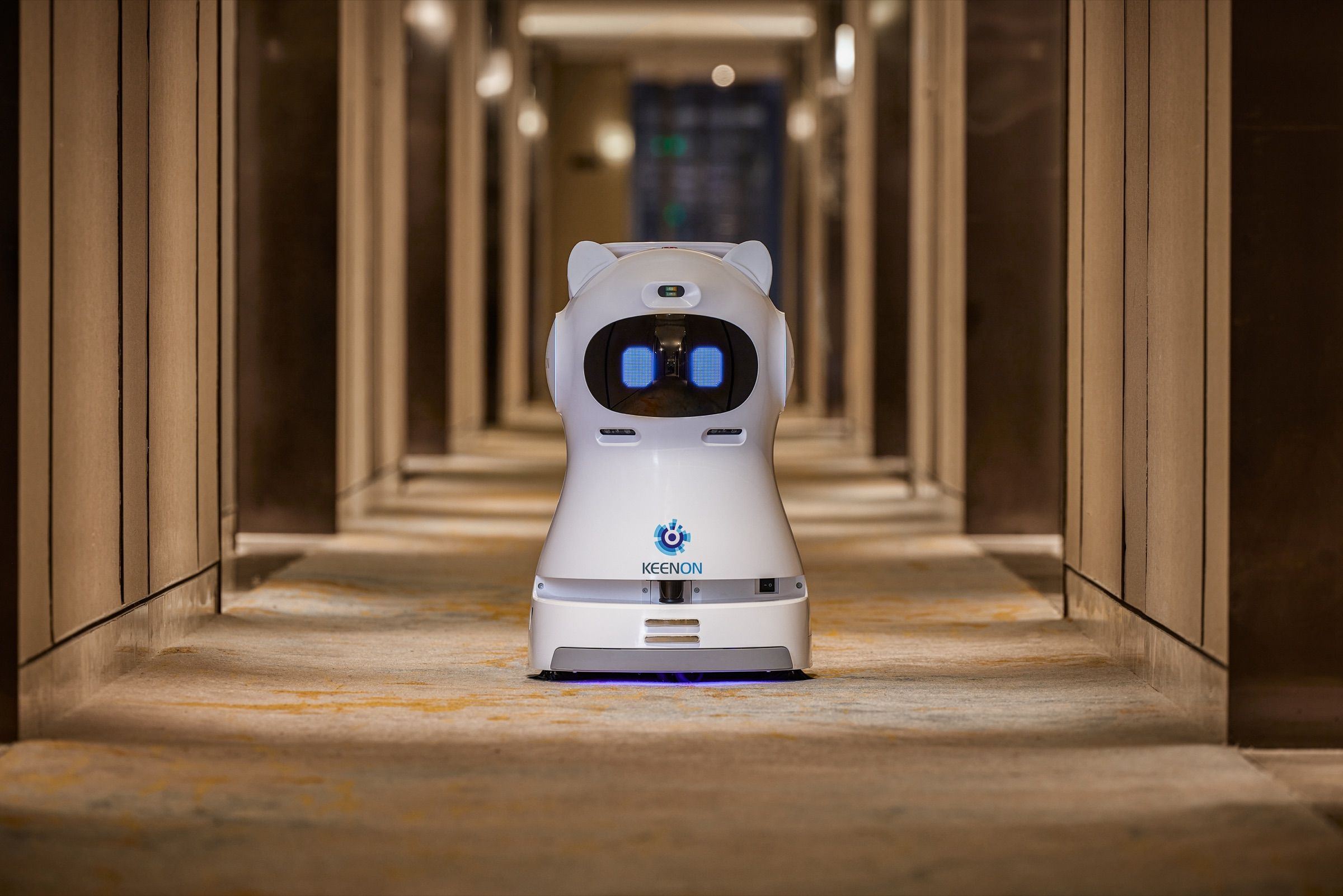
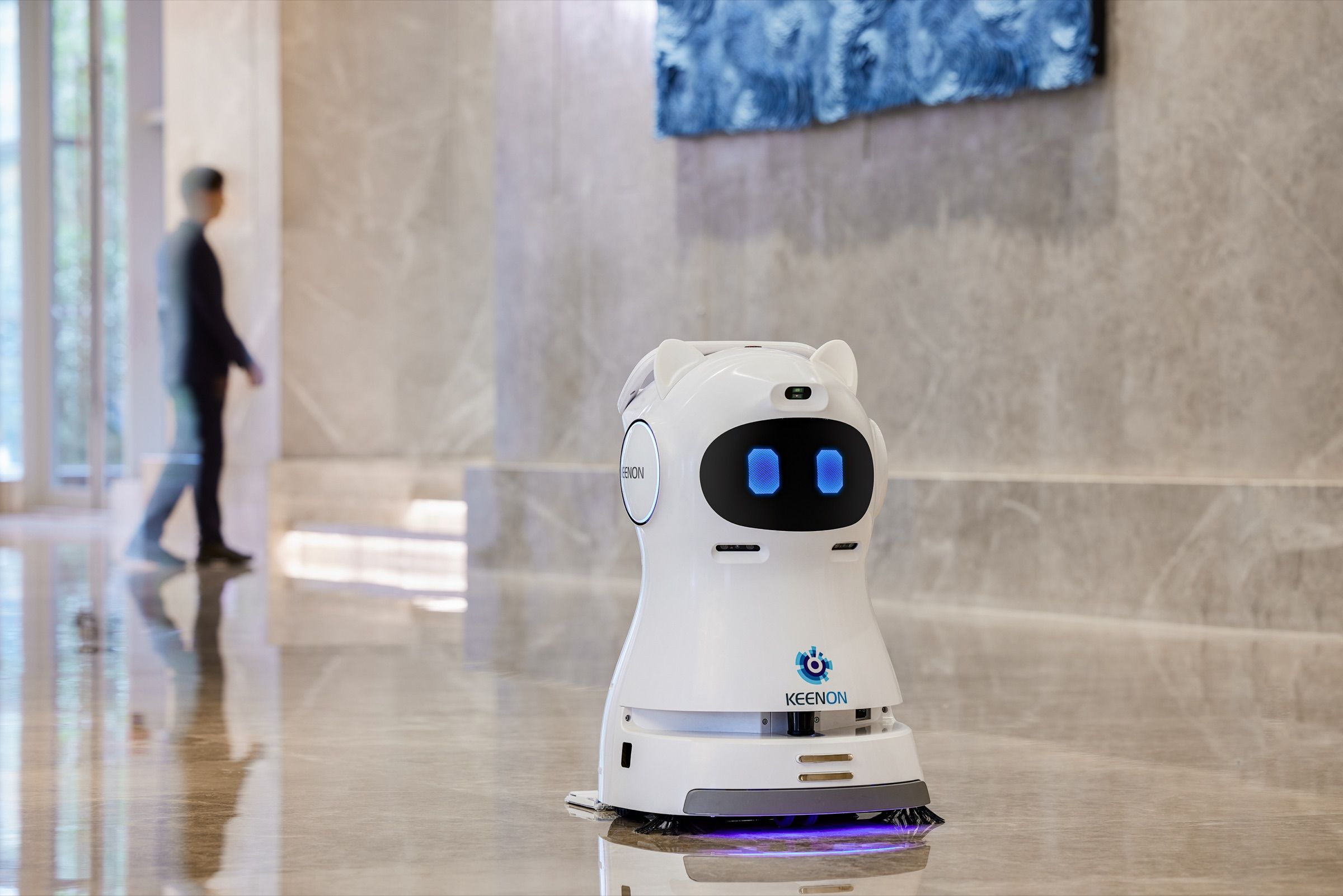
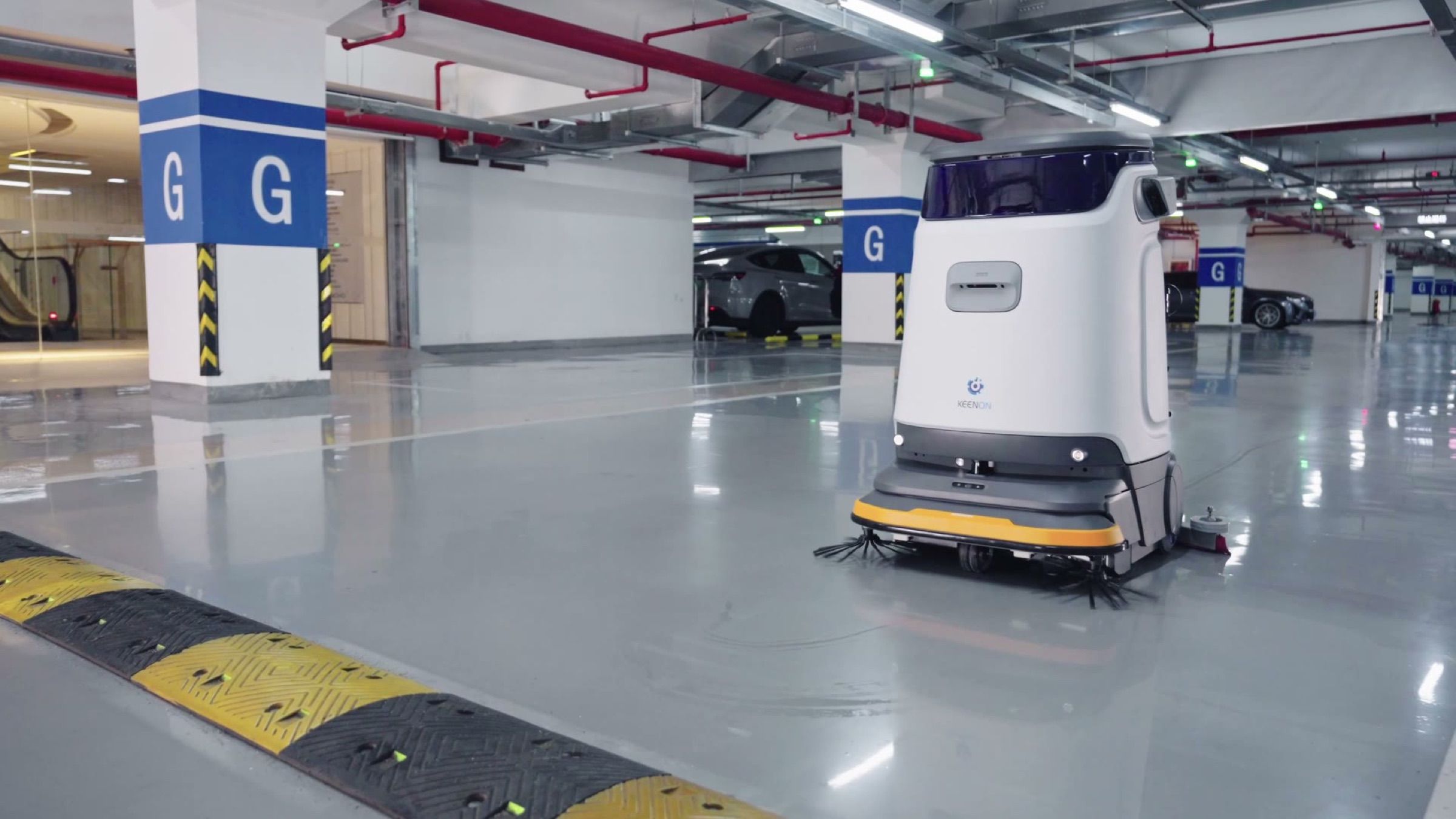

Autonomous cleaning robots suit large, open floors that need the same treatment every day. Airport terminals, shopping centre malls and food courts, corridors in public and private hospitals, aged residential care facilities, hotel back-of-house areas, distribution centre aisles and factory floors are typical examples. These are places where someone would otherwise spend long stretches walking a ride-on or walk-behind machine up and down.
The robot follows a mapped route, adjusts around people and obstacles, and records what it covered. Your cleaning team stays responsible for the work that needs a person: amenities, high-touch surfaces, spills, waste and anything that needs judgement. Robots are less effective in cluttered spaces, areas with loose cables or small items on the floor, or zones where the layout changes every day. We point these out during the assessment.
In hospitals and aged residential care, floor cleaning sits close to infection prevention, one of the areas covered by Ngā Paerewa, the Health and Disability Services Standard (NZS 8134:2021) that certified providers are audited against. A robot does not change those obligations, but its cleaning records can add to the evidence your infection prevention team already keeps.
Many New Zealand sites contract out their cleaning. When a property owner, tenants and a cleaning company share the work, each can carry duties under the Health and Safety at Work Act 2015, so it pays to agree early who runs the robot, who supervises it and who reports faults.
Different floors need different machines. Hard floors with ground-in dirt usually need wet scrubbing. Dusty warehouse or car park floors may suit sweeping. Carpeted corridors need vacuuming, and polished floors often only need dust mopping between deeper cleans. Some sites need more than one type of robot. Docks that refill clean water and drain dirty water cut down manual handling of tanks, and whether they are worth it depends on your floor area and shift pattern.
We start with a consultation and site assessment, looking at floor surfaces, soiling, traffic patterns, water and power access, and where docks can sit. Your proposal sets out the recommended robots and cleaning plan. After approval we map the site, set up zones and schedules, integrate with lifts where the platform supports it, and train your staff or contractor. After handover, Robotx looks after servicing, wear parts such as brushes and squeegees, software updates and warranty claims.
Have a question about your site? Talk to a specialist.
Commercial cleaning robots work on hard floors such as vinyl, tile, polished concrete, epoxy and sealed timber, and some models vacuum low-pile carpet. The right machine depends on your mix of surfaces and how much grit and water gets tracked in at entrances on wet days. We check floor types, thresholds and transitions during the site assessment and match the cleaning mode to each zone.
No. Cleaning robots take on large, repetitive floor areas, but they do not clean bathrooms, wipe touch points, empty bins or respond to a spill in the moment. Where cleaning is contracted out, the robot usually becomes part of that contract's scope. Most sites use robots to give the existing team more time for detail work and to keep floor coverage consistent across shifts.
Usually more than one party. Under the Health and Safety at Work Act 2015, a building owner, a tenant and a cleaning company can each be a PCBU with duties for the same work, and each must consult, cooperate and coordinate with the others so far as is reasonably practicable. We help you agree who operates, supervises and maintains the robot before it starts.
Yes. Commercial cleaning robots detect people and obstacles, slow down and route around them, so they can run in airport terminals, shopping centres and hospital corridors during opening hours. Many sites still schedule the heaviest scrubbing for quieter periods. We help you decide which zones and times suit each cleaning mode.
Pricing depends on the cleaning mode, the size of the area, the number of robots, docking station options and the support you choose. Robotx sells robots outright and does not publish a price list. After a consultation and site assessment we provide a written proposal based on your floor area, surfaces and cleaning schedule.
Daily tasks are similar to a conventional scrubber or vacuum: emptying and rinsing tanks where there is no auto-drain dock, clearing debris, and checking brushes, pads and squeegees. Brushes and filters wear over time. We train your team or contractor on routine care and provide servicing, parts and warranty support, with on-site arrangements agreed during scoping.
A Robotx consultation starts with your sites, tasks and constraints. We’ll tell you where robotics fits and where it doesn’t, and what a sensible first deployment would look like.