
Remote, unstaffed assets
Zone substations, hydro structures and water pump stations are often unstaffed and a long drive from the depot, so a routine visual check can cost hours of travel.
Robotx supplies and deploys legged inspection robots for substations, generation sites and water treatment plants in New Zealand. They walk routine inspection rounds and give operators a view into remote or hazardous areas, while qualified people keep the decisions.
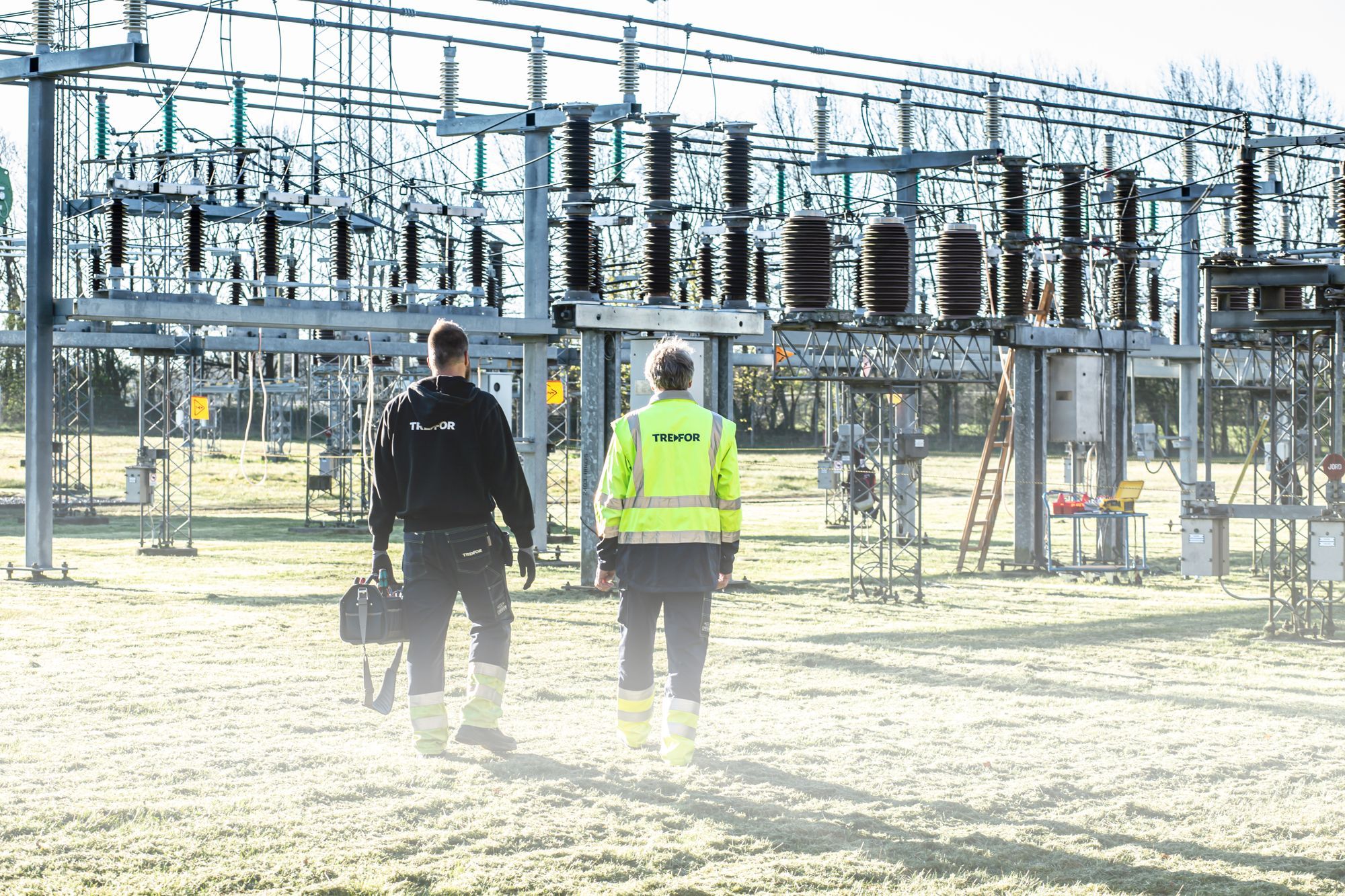
Zone substations, hydro structures and water pump stations are often unstaffed and a long drive from the depot, so a routine visual check can cost hours of travel.
Skilled technicians spend time walking the same route and writing down gauge readings that could be captured automatically.
Energised yards, confined plant rooms and geothermal areas, where hydrogen sulphide occurs naturally, carry real risk. Every avoidable entry reduces exposure for your people.
Manual rounds vary between people and shifts, so slow changes in equipment condition are hard to spot until they become faults.
A legged robot walks the switchyard on a programmed route, capturing images and readings for operators to review from the control room or depot.
Inspection & PatrolWhere supported, thermal cameras and microphones flag hot connections or unusual equipment noise for a qualified person to assess.
Inspection & PatrolCameras capture analogue gauges, oil levels, valve positions and dosing equipment, turning a clipboard round into a dated digital record.
Inspection & PatrolAfter an alarm, fault or earthquake, a robot gives operators a view of plant before people enter, within your emergency procedures.
Inspection & PatrolAutonomous scrubbers clear oil and water residue from powerhouse, turbine hall and workshop floors, cutting slip hazards around plant.
Autonomous Cleaning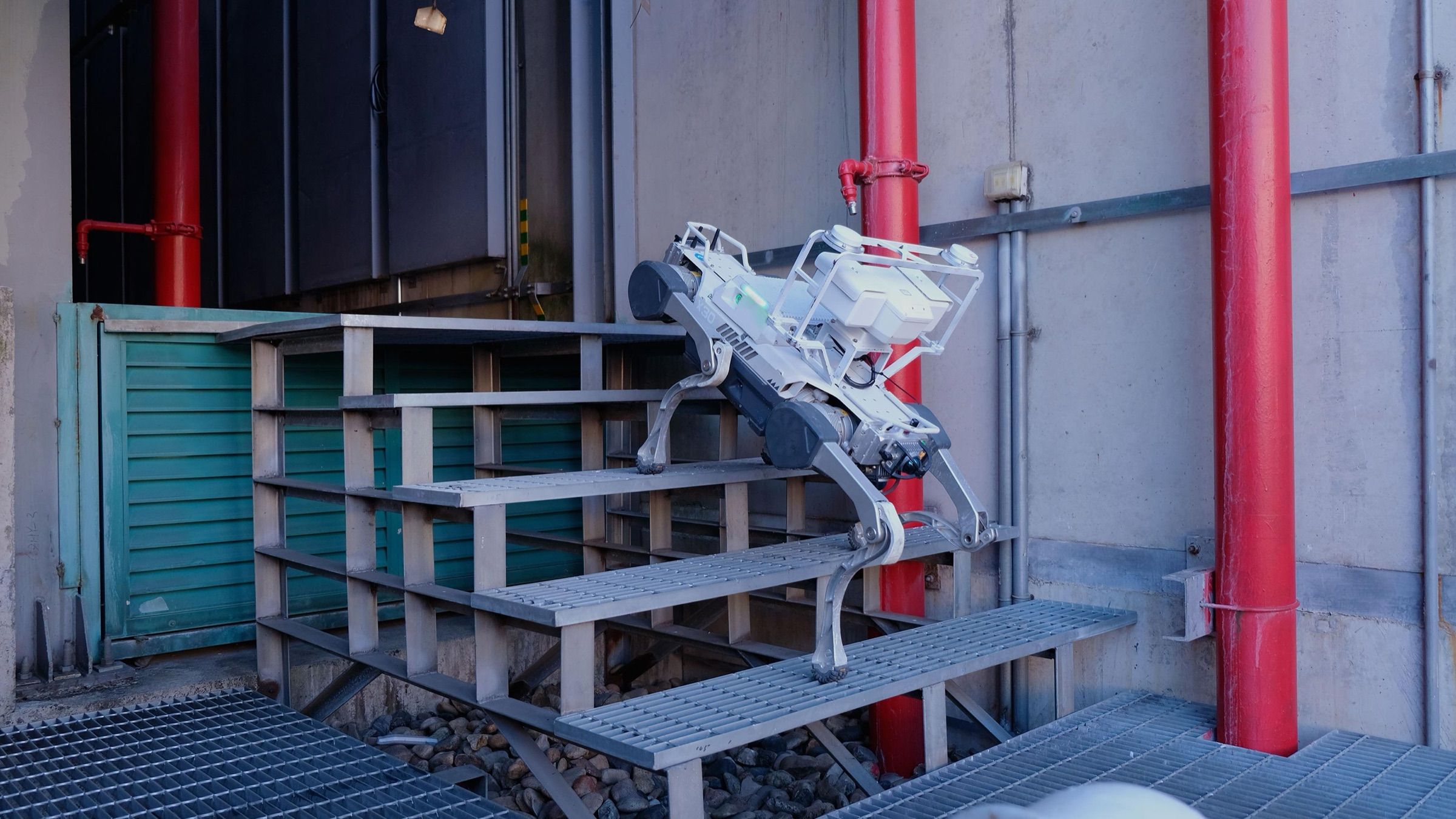
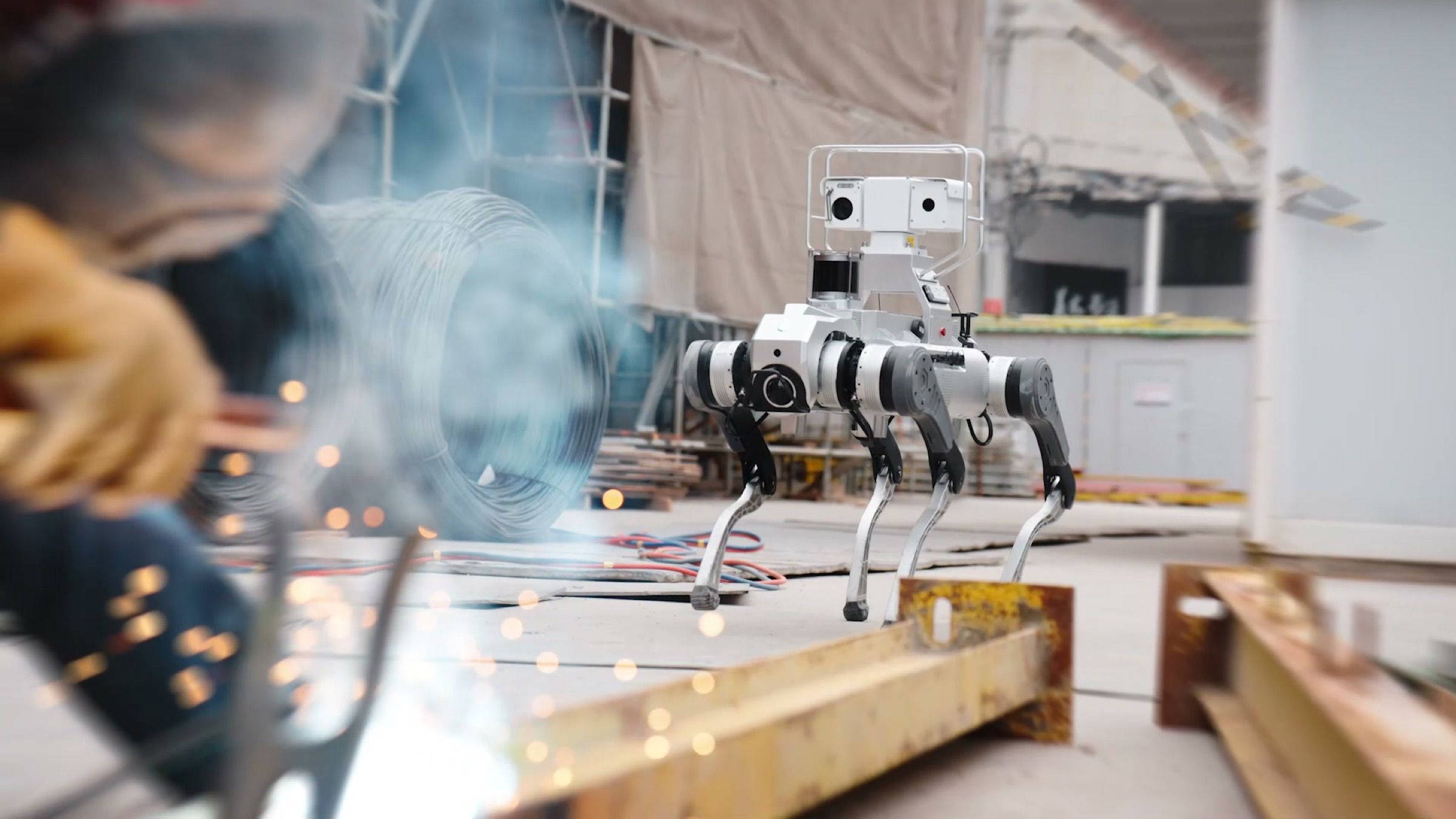
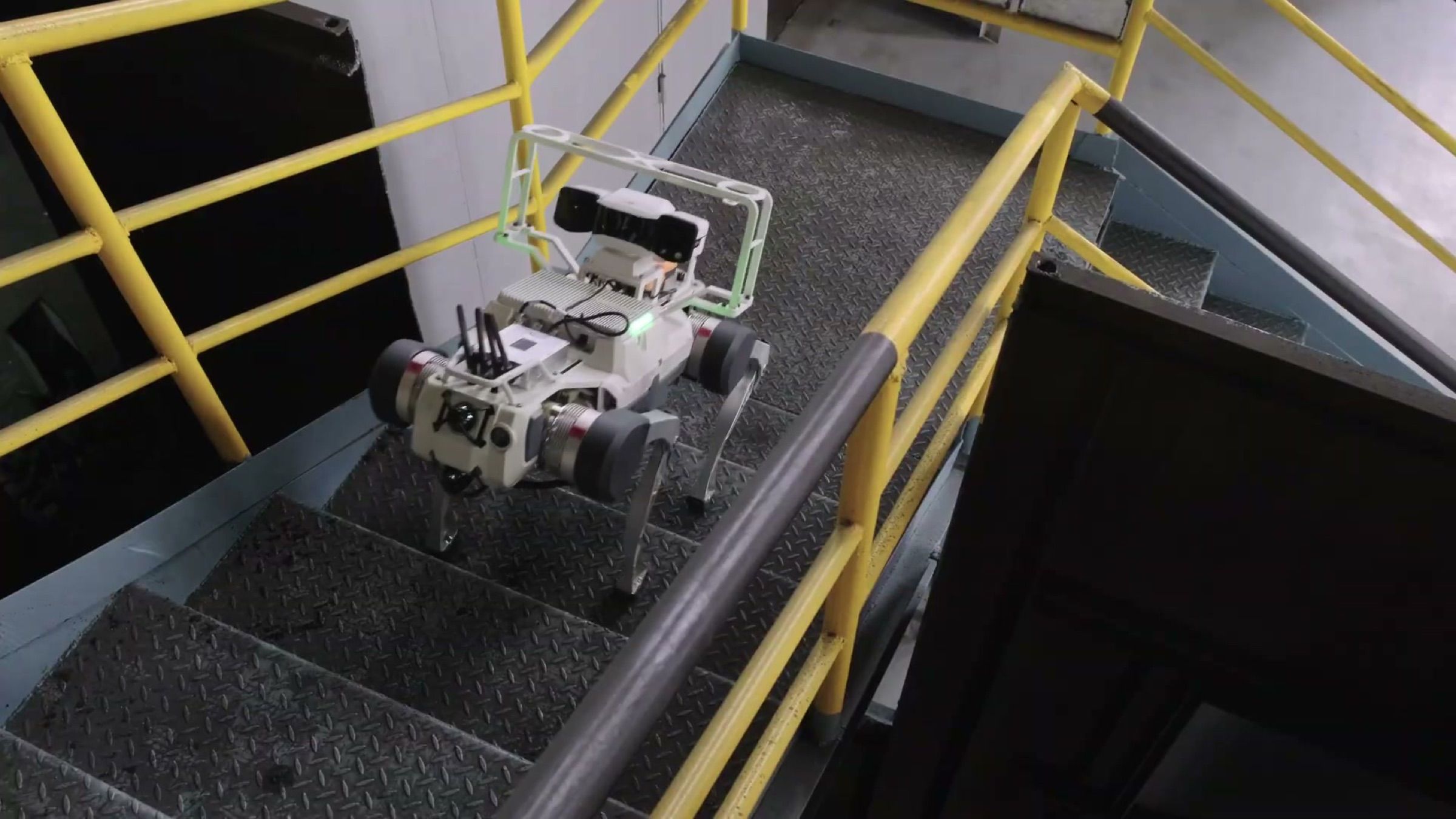
A legged inspection robot follows a mapped route, stops at defined checkpoints and records what it finds. The routine is similar whether the site sits on the national grid owned and operated by Transpower or on a lines company’s network. At a zone substation that might mean images of transformer oil level gauges, thermal images of bushings and connections, and a walk along the fence line. At a hydro or geothermal station it might be pump and fan bearings, valve positions and plant room checks. In a water treatment plant it might be dosing equipment, valve positions and pump noise.
Most of the benefit is consistency. Because the robot stands in the same place, points the camera the same way and records at the same interval, this week’s reading can be compared with last month’s. Where the site has network coverage, operators can review results remotely. On sites without it, data is collected and uploaded when the robot returns to its dock.
Utility sites are rarely flat, which is why legged platforms are used. Stairs, grating, cable trench covers and gravel stop most wheeled robots.
An inspection robot observes and reports, and people make the decisions. It does not operate switchgear, open valves or carry out isolations. It works inside your existing safety framework, under the same safe distances, permits and emergency procedures that apply to your staff.
Robotx supplies, configures and supports the equipment and trains your operators and maintainers. Your organisation operates the robot and remains responsible for the site.
Under the Emergency Management Act 2026, electricity generators, transmission and distribution businesses and water service providers are essential infrastructure providers, with a duty to ensure their services can function to the fullest possible extent during and after an emergency. After an earthquake, storm or alarm, a robot that can look at plant before people enter may support that planning, inside your own emergency procedures.
Every engagement starts with a consultation and a site assessment. We walk the intended routes in normal conditions, review terrain, weather exposure and network coverage, and agree the checkpoints that matter most to your maintenance team. The written proposal sets out the platform, payloads and checkpoints. Deployment covers mapping, checkpoint set-up, integration where agreed, and operator training. After handover, Robotx supports the equipment with servicing, parts and warranty administration.
Have a question about your site? Talk to a specialist.
It can take over the repetitive part of a round, while judgement stays with people. A legged robot can walk the same route on schedule, capture images, thermal data and gauge readings, and flag anything outside expected values. Qualified people still review the results, decide what to do and attend when work is needed. The usual aim is more frequent inspection with fewer low-value site visits.
Legged robots are designed for uneven ground, grating, kerbs and stairs, which is why they suit switchyards and multi-level plant better than wheeled robots. Limits still apply: steep or slippery surfaces, heavy rain, strong wind, frost and loose ground all need assessing. We walk the proposed route during the site assessment and confirm what the platform can manage before we recommend it.
The asset owner or operator, as the business in control of the site under the Health and Safety at Work Act 2015, remains responsible for site safety, permits and operations. The robot works within your existing procedures, including safe distances, isolations and emergency response. Robotx supplies, configures and supports the equipment and trains your people, but does not operate robots on customer sites.
Depending on the sensors fitted, an inspection robot can capture visual images, thermal images, audio, gauge readings and, where the platform supports it, gas detection, each tagged with location and time. Your operators review the data and compare it over time to spot change. Where it is stored and who can access it is agreed during scoping to meet your IT and OT security requirements.
Timing depends on site access, the number of checkpoints, network arrangements and any integration work. The process runs through consultation, site assessment, a written proposal, then mapping, checkpoint configuration and operator training. Inductions and access permits on energy and water sites can add lead time, so we plan for them early. The proposal sets out each stage and what we need from your team.
A Robotx consultation starts with your sites, tasks and constraints. We’ll tell you where robotics fits and where it doesn’t, and what a sensible first deployment would look like.