
Fewer trolley runs for staff
Linen runs, stores replenishment and parts deliveries move to the robot, freeing orderlies, care staff and storepeople.
Robotx supplies, deploys and supports autonomous mobile robots (AMRs) that move linen, meals, supplies and parts in New Zealand hospitals, aged care facilities, distribution centres and factories. Repetitive trolley runs move to the robot, so staff spend less time pushing carts.
Autonomous mobile robots (AMRs) that carry or tow heavier loads of linen, supplies, goods and parts between fixed points.
Linen runs, stores replenishment and parts deliveries move to the robot, freeing orderlies, care staff and storepeople.
Moving heavy carts and totes by robot is a practical control for the manual handling risk that PCBUs manage under HSWA.
Scheduled or on-call runs keep the ward, line side or packing bench supplied without someone leaving to fetch stock.
Start with one or two robots on your busiest route, then add more once the route is proven.
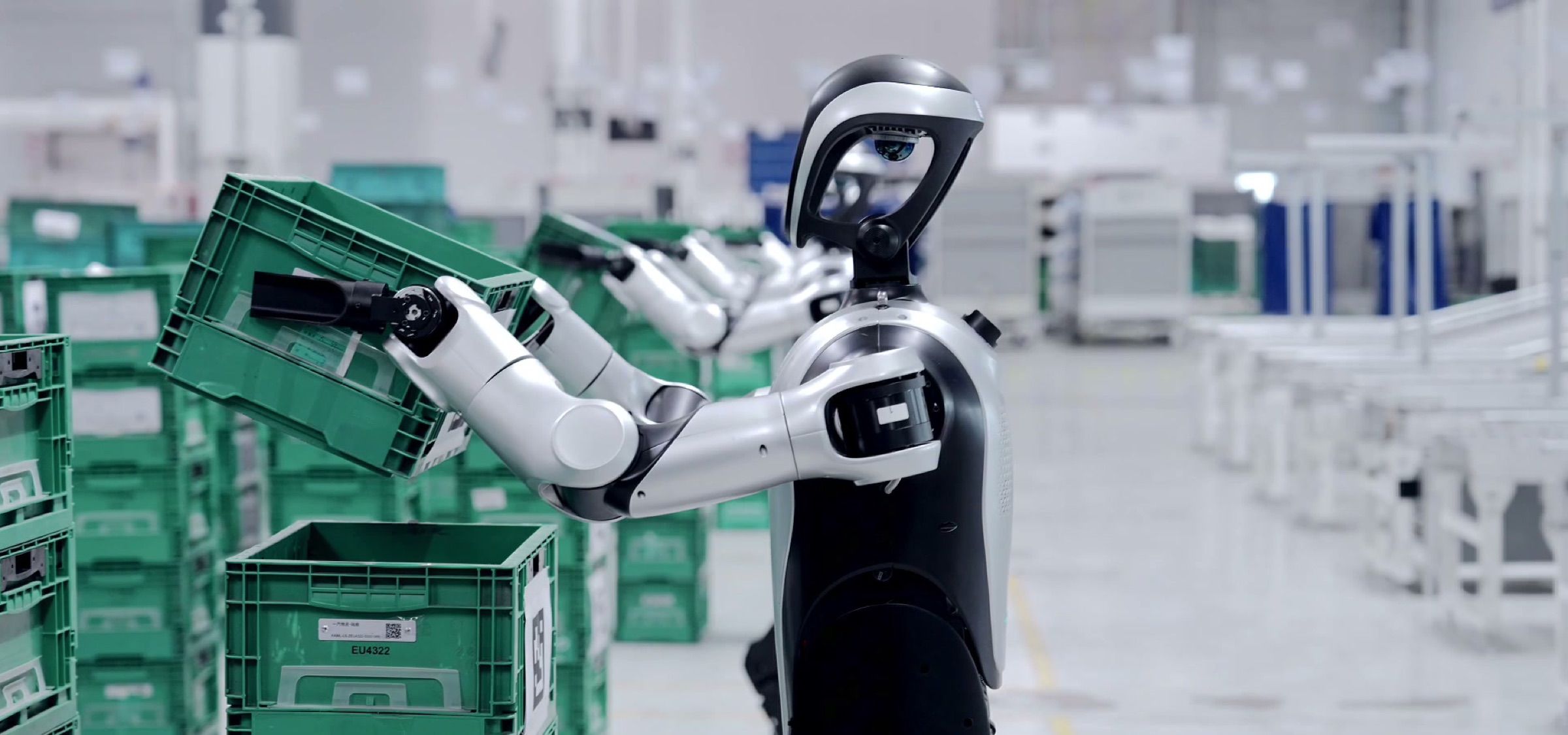
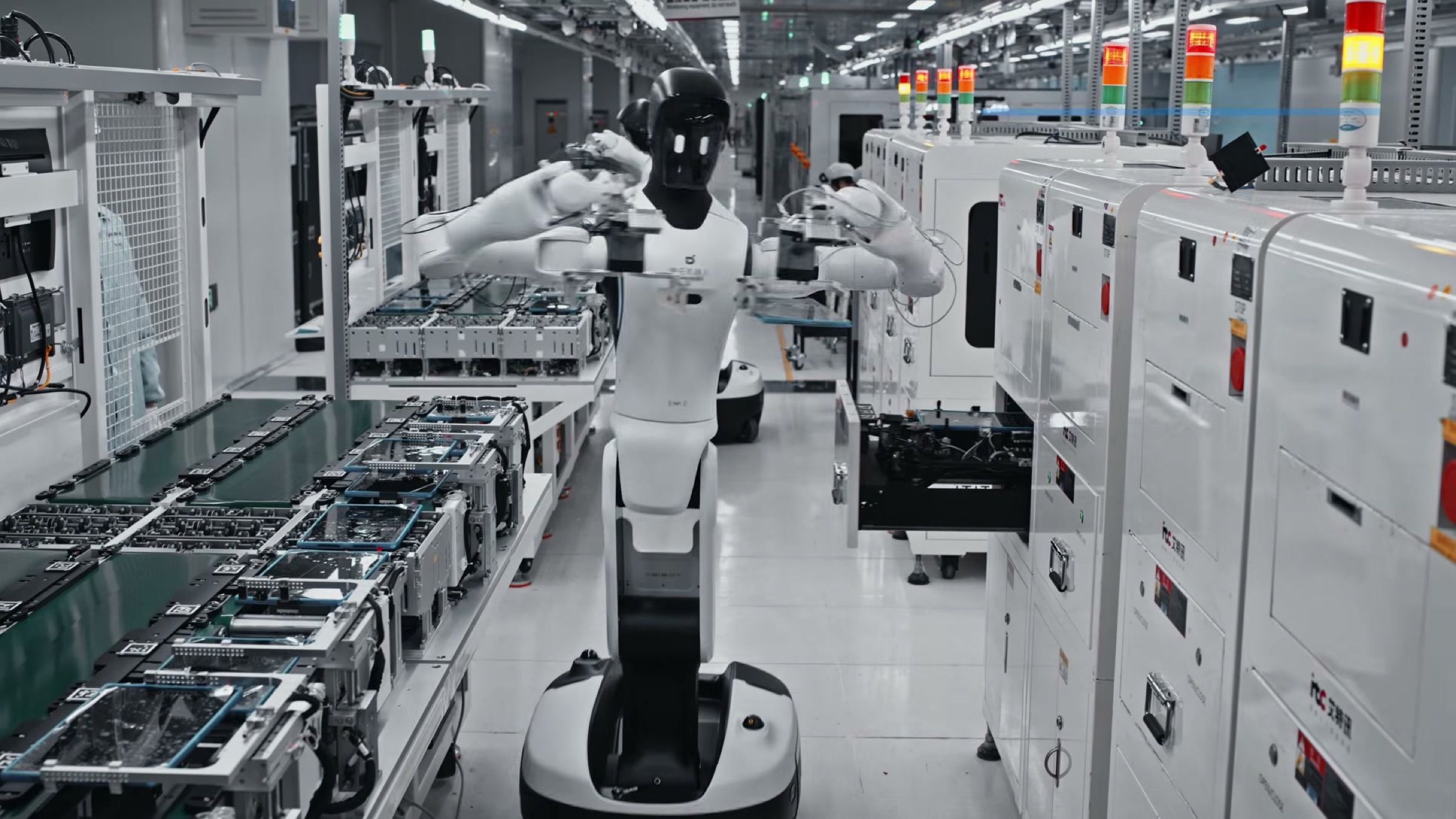
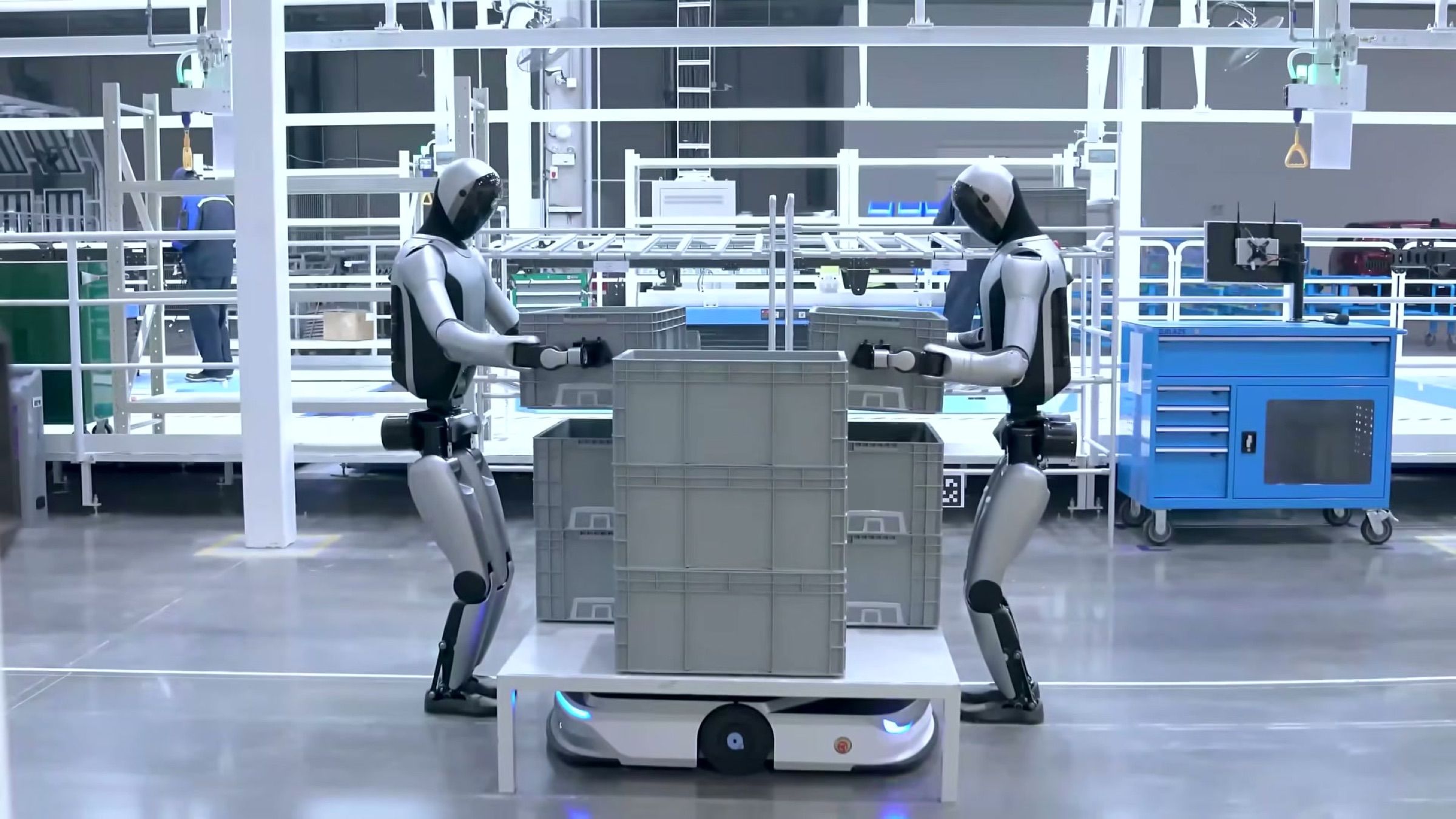

The best candidates are repetitive runs between fixed points that happen many times a day. In public and private hospitals and aged residential care, that includes clean and soiled linen, meal trolleys, pharmacy and lab deliveries in sealed containers, and stores replenishment to wards. In distribution centres it includes moving totes and cartons from pick faces to packing, or from receiving to put-away. In food and beverage processing and other manufacturing, it means taking packaging, parts and kits to the line and carrying finished goods or waste away.
If staff regularly leave their main task to fetch or return materials, there is usually a route worth automating. We look first for the runs with the most distance, weight and frequency.
During the site assessment we walk each proposed route and note floor condition, ramps and gradients, door types, lift access, pinch points and where people and forklifts cross. We also look at the carts, totes or containers you already use and whether they need changing to suit the robot. Chillers, freezers and wash-down areas get particular attention, because not every platform is rated for them.
For multi-level sites, the lift is a specified system under the Building Act 2004, so the building owner and lift contractor need to be part of any interface decision. For warehouses and factories we look at how robots fit your traffic management, keeping people and forklifts apart as WorkSafe New Zealand expects. Where the platform supports it, robots can be integrated with lifts and automatic doors so they move between areas without staff.
After you approve the proposal, Robotx maps the site, sets up pick-up and drop-off points, configures call buttons and schedules, completes lift and door integration, and trains your staff. We usually recommend starting on one well-understood route and extending once your team is comfortable. From then on, Robotx is your contact for technical support, servicing, parts and warranty administration, with on-site arrangements for your location agreed during scoping.
Have a question about your site? Talk to a specialist.
An autonomous mobile robot is a vehicle that navigates on its own using sensors and a map of the site, without magnetic tape or fixed tracks on the floor. It plans a route, avoids people and obstacles, and can be re-routed in software when the layout changes, so AMRs are easier to introduce into existing buildings than traditional automated guided vehicles.
Payloads vary widely by platform, from a few tubs of supplies to full linen or parts carts, and some platforms tow or lift carts instead of carrying the load. The right choice depends on what you move, how it is packed, and the floors, ramps and gradients along the route. We confirm payload, cart and container requirements during the site assessment before recommending a platform.
AMRs are designed to share space with people, and they slow, stop or reroute when something is in the way. Forklift areas need more care. WorkSafe New Zealand has said that rules and procedures alone are not enough and that pedestrians need to be segregated from forklift activity, so robot routes should fit a traffic plan built on separation. We recommend where robots should and should not run.
Yes, on supported platforms, by calling and riding lifts through an interface. In New Zealand, lifts are specified systems on the building's compliance schedule and are covered by the annual building warrant of fitness, so the building owner and lift contractor need to approve any interface. We check the lift make, controller and access arrangements during the site assessment.
Timing depends on the number of routes, whether lifts or automatic doors need integrating, and how many robots you start with. A single route on one floor is simpler than a multi-level hospital deployment. After the site assessment we give you a written plan with realistic timing for mapping, integration, testing and staff training.
Pricing depends on the platform, payload, fleet size, integration work and support arrangement. Robotx sells robots outright and does not publish a price list. After a consultation and site assessment we provide a written proposal priced on your routes, loads and building systems.
A Robotx consultation starts with your sites, tasks and constraints. We’ll tell you where robotics fits and where it doesn’t, and what a sensible first deployment would look like.